 Celebrity Stach News
 The Sam Elliott Effect: How One Mustache Became a Voice
Sam Elliott's mustache and Sam Elliott's voice are so intertwined that it is hard to picture one without hearing the other. We investigate.
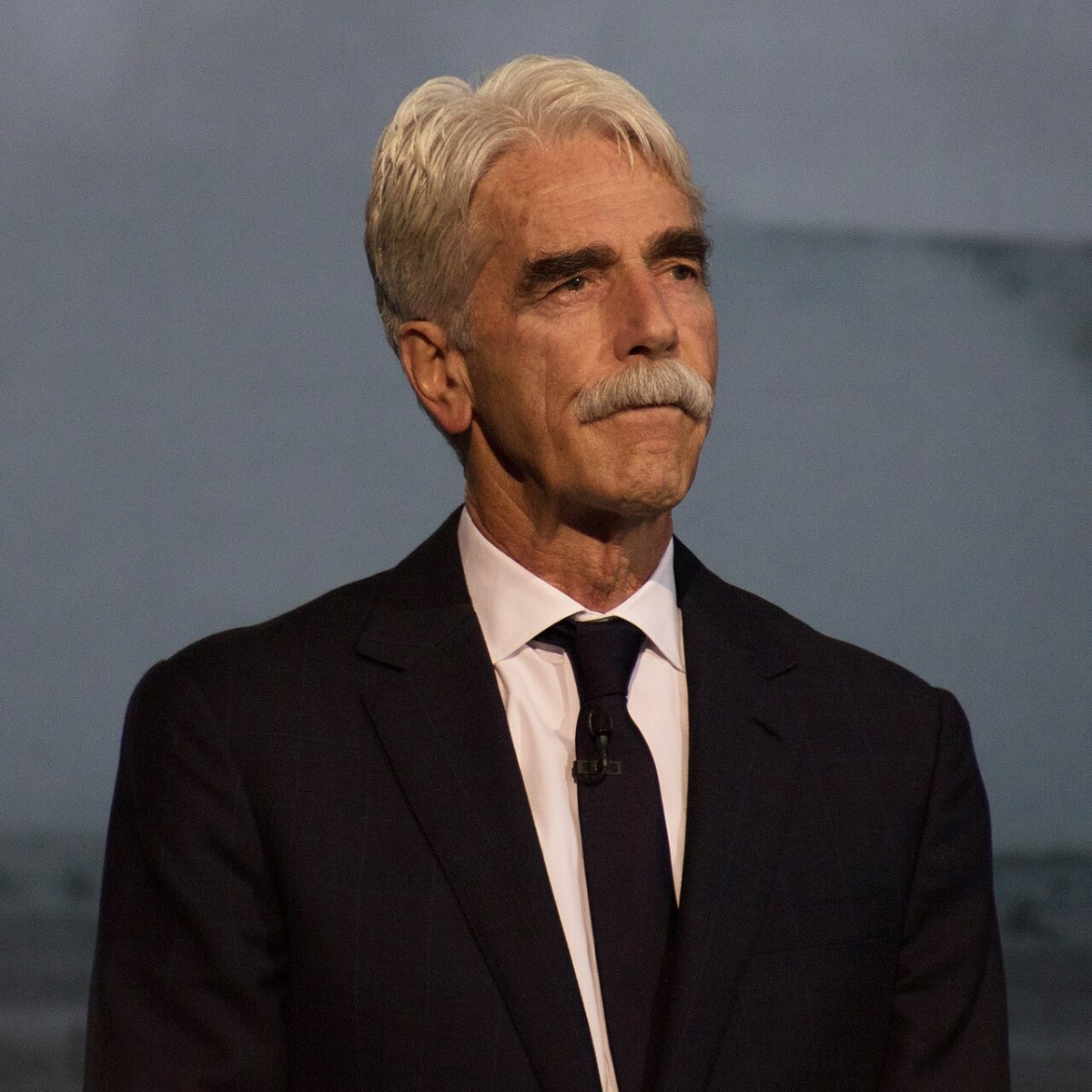
There is an informal test in the Mr. Stach offices. Close your eyes, picture Sam Elliott, and notice what happens. For most people, the mustache appears first, and a half second later, the voice follows: low, slow, gravel poured over honey.
That pairing did not happen by accident. It happened over six decades of work.
The Long Road
Sam Elliott was born in 1944 and spent the late 1960s and 1970s building a career in film and television, often in westerns, where a mustache is less a style choice than a uniform. By the time of Mask (1985) and Road House (1989), the full, drooping, slightly weathered mustache was non-negotiable. It is a horseshoe-leaning walrus, heavy at the corners, that looks less groomed than weathered, like it has been outside for a while and has no plans to come in.
The Western Canon
The 1990s cemented it. As Virgil Earp in Tombstone (1993), Elliott shared the screen with three other legendary mustaches (Kurt Russell, Val Kilmer, and Bill Paxton) and still stood out. Then came The Big Lebowski (1998), where he played The Stranger, a cowboy narrator who exists mainly to be Sam Elliott at a bowling alley bar. The Coen brothers understood that the mustache and the voice were the whole performance, and they built a character around them.
Later Recognition
In 2019, Elliott received an Academy Award nomination for Best Supporting Actor for A Star Is Born (2018). The mustache was present and accounted for. Few performers can say their signature facial hair has appeared in an Oscar-nominated role, a cult comedy classic, a revered western, and a dozen commercials for beef and trucks.
Why the Elliott Works
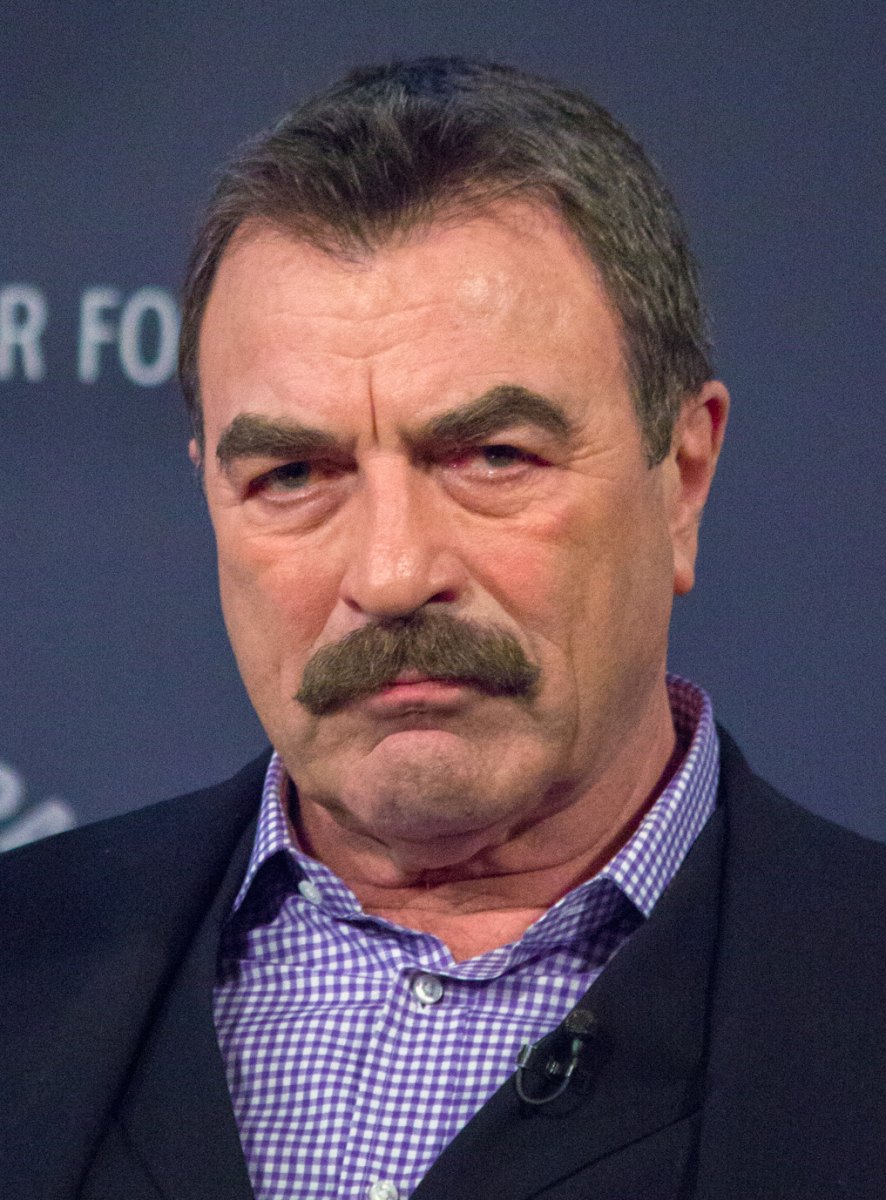
Where the Selleck is precise, the Elliott is lived-in. A few traits:
- Weight at the corners. The mustache hangs past the corners of the mouth, which gives the face gravity even when it is relaxed.
- Texture over symmetry. It is not combed into a perfect shape. The slight unevenness reads as authenticity.
- Gray as an asset. Many men fight the gray. Elliott's mustache went silver and got more iconic.
- Consistency. Like Selleck, Elliott simply never took it off for long. Decades of continuity turn a style into a signature.
The Commercials
There is also the small matter of the voiceover career. For years, Elliott has been the voice of trucks, beef, and the American West in general, and even when his face is nowhere on screen, audiences picture the mustache anyway. That is the clearest sign a mustache has become part of a personal brand: it shows up when it is not even there.
The Voice Question
Does the mustache make the voice sound deeper? Acoustically, no. Psychologically, almost certainly. A full mustache frames the mouth and slows down your perception of speech; you watch the lip move, you wait for the words. That half-beat of anticipation is part of why every Sam Elliott line sounds like it was carved rather than spoken.
The Mr. Stach Verdict
If Tom Selleck is the gold standard, Sam Elliott is the platinum outlier, the mustache you do not try to copy because you cannot copy the sixty years that went into it. Hall of Fame. Obviously.
And if you are ever tempted to grow one, start now. It takes about as long as it looks.