


 Movies & TV
Magnum. Ron Swanson. Ned Flanders. We rank the mustaches that defined television, with all…
Aug 15, 2026 · 3 min read
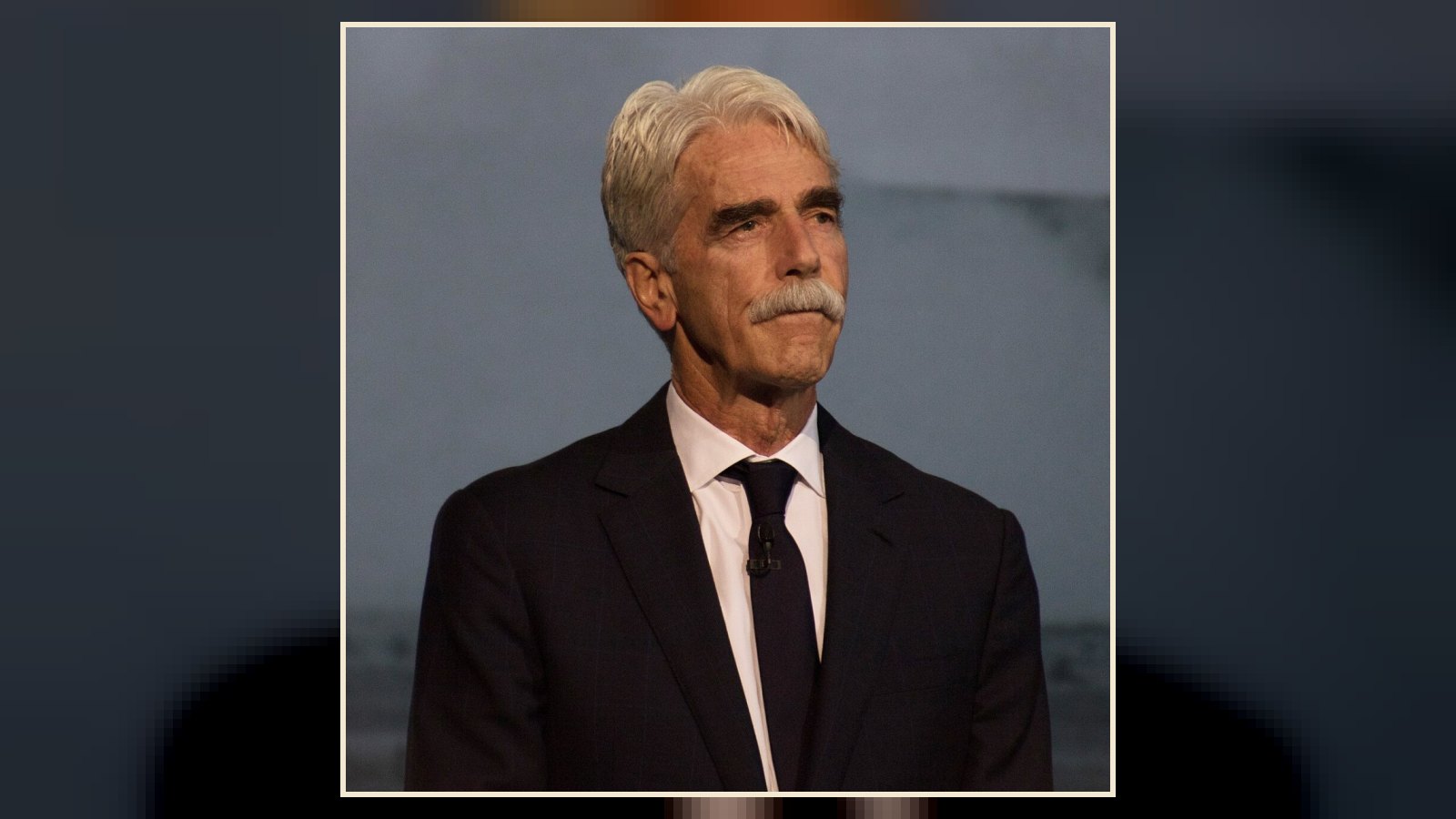
“Big, bushy, and draped over the mouth like a velvet curtain. The mustache of wise men and Sam Elliott.”
The Walrus is what happens when you grow a Chevron and then simply decline to stop. It is thick, it is wide, and it hangs well over the upper lip — often hiding it entirely — in a way that recalls the whiskers of its namesake. It is not shaped into points, cur…
The Walrus is what happens when you grow a Chevron and then simply decline to stop. It is thick, it is wide, and it hangs well over the upper lip — often hiding it entirely — in a way that recalls the whiskers of its namesake. It is not shaped into points, curled, or waxed. It is allowed to be enormous.
This is a mustache of gravitas. It suggests a man who has read books, chopped wood, and does not need to raise his voice. It also requires real density; a thin Walrus is just a long, sad Chevron. Done right, it is the most naturally imposing style on the list and arguably the most beloved.
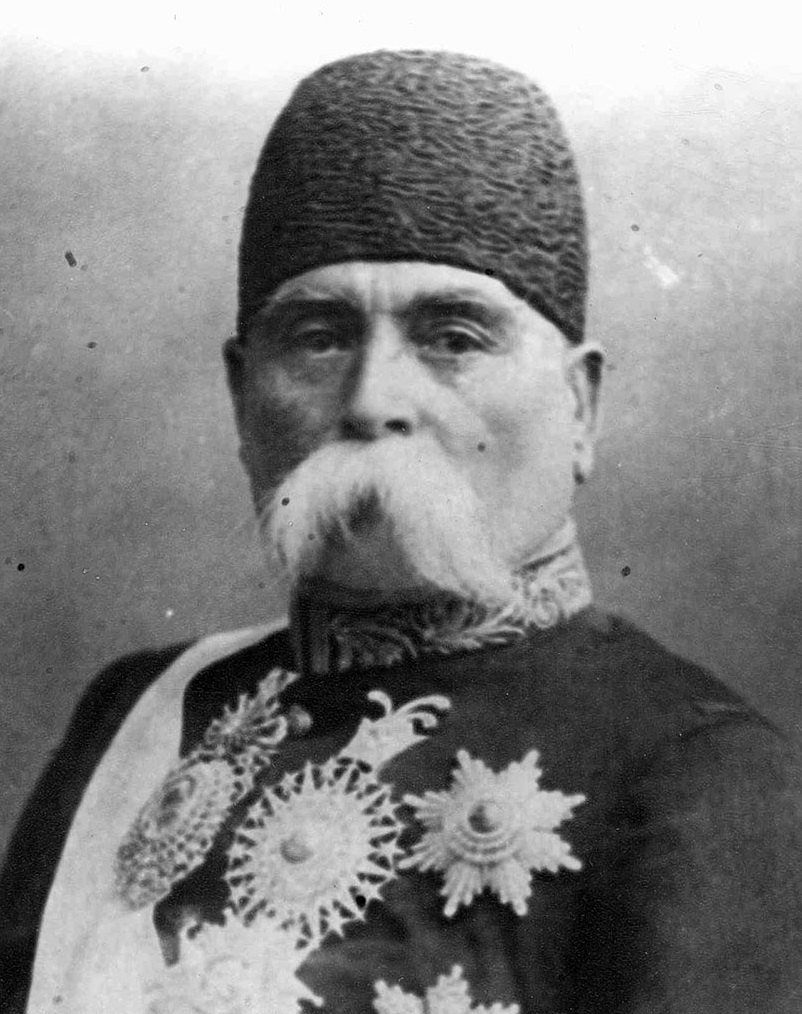
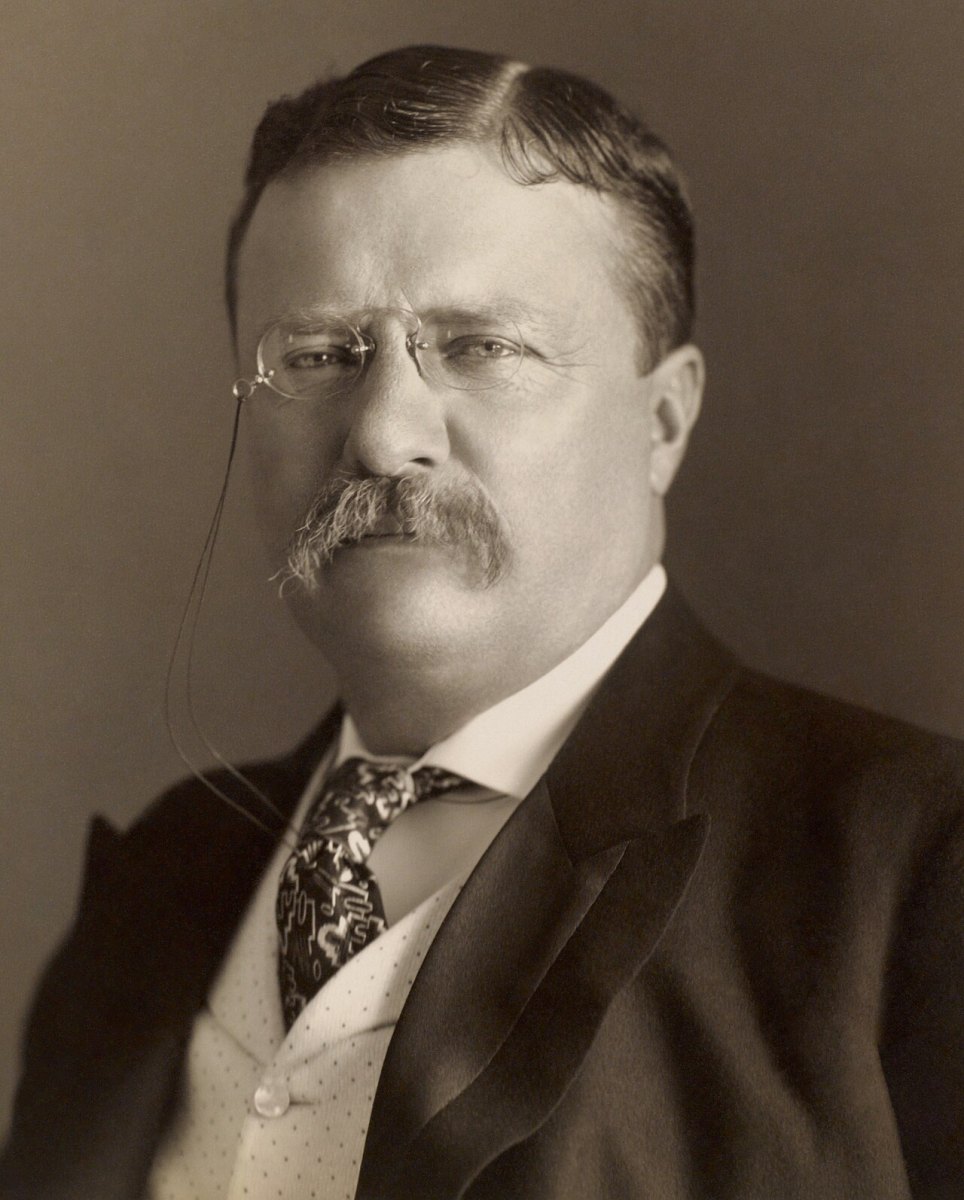
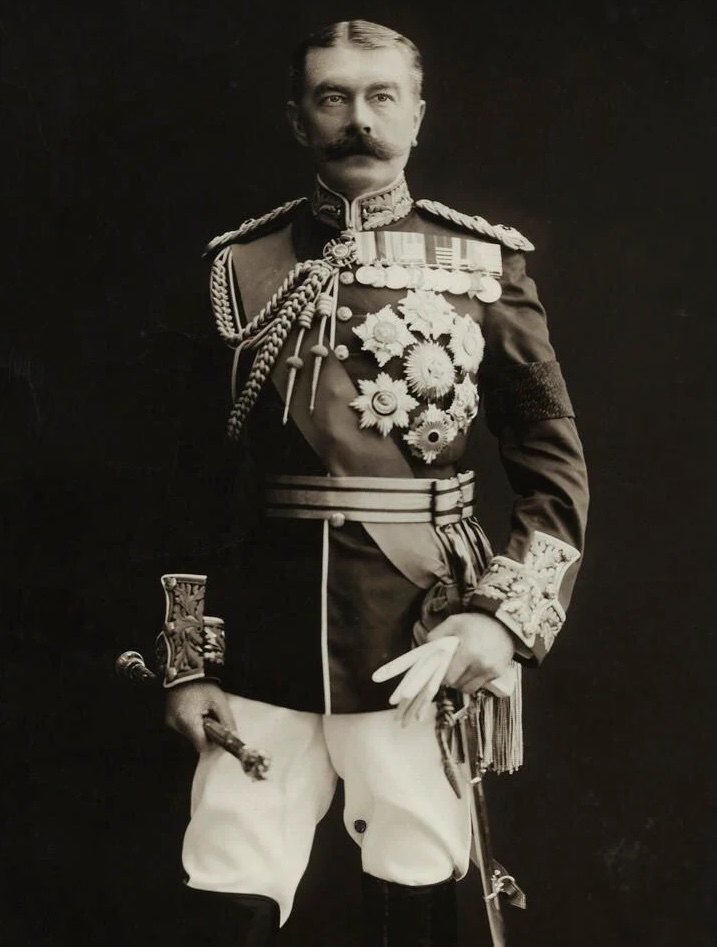
The Walrus was the dominant mustache of the late 19th century among men of letters and men of war alike. Friedrich Nietzsche wore one so large it became part of his philosophy's public image. Mark Twain's sprawled across his face for decades. Theodore Roosevelt charged up San Juan Hill under one and later ran the country from behind it. In Britain, Rudyard Kipling and a generation of officers made it nearly a requirement of rank.
It fell out of fashion after World War I alongside most large mustaches, but never disappeared. Wilford Brimley carried it through the 1980s and 90s as the face of oatmeal and good advice. And Sam Elliott — whose drooping, silver Walrus has narrated films, sold trucks, and become a cultural shorthand for rugged decency — kept the flame alive so effectively that most people now simply call it "the Sam Elliott."
Today the Walrus is a favorite of older gentlemen, Western enthusiasts, and anyone with enough growth and enough patience to let a mustache truly take over the lower face.
Face-shape guidance is general. Every face is the right face for a mustache if you commit hard enough.
The Walrus is mostly about not trimming, but a few cuts keep it from becoming a beard's worth of hair on your lip.
Always trim dry and combed into place. Wet hair hangs longer and will fool you into cutting too much.
Daily
After meals
Weekly
Every 2 weeks
Monthly
A Walrus is comfortable, warm in winter, and impressive year-round. Feed it oil and it will reward you with a Sam Elliott voice. Results may vary on that last part.
Grooming content is educational and not medical advice.
 99
HOF
99
HOF 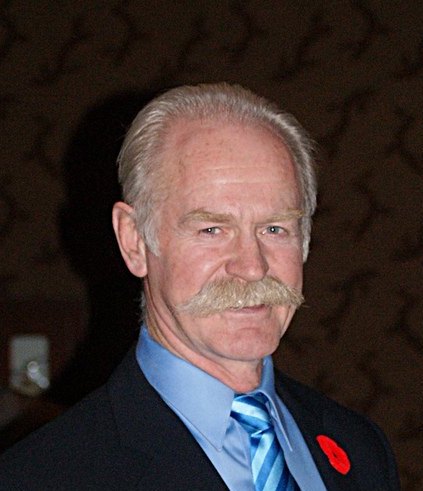 98
HOF
98
HOF  97
HOF
97
HOF 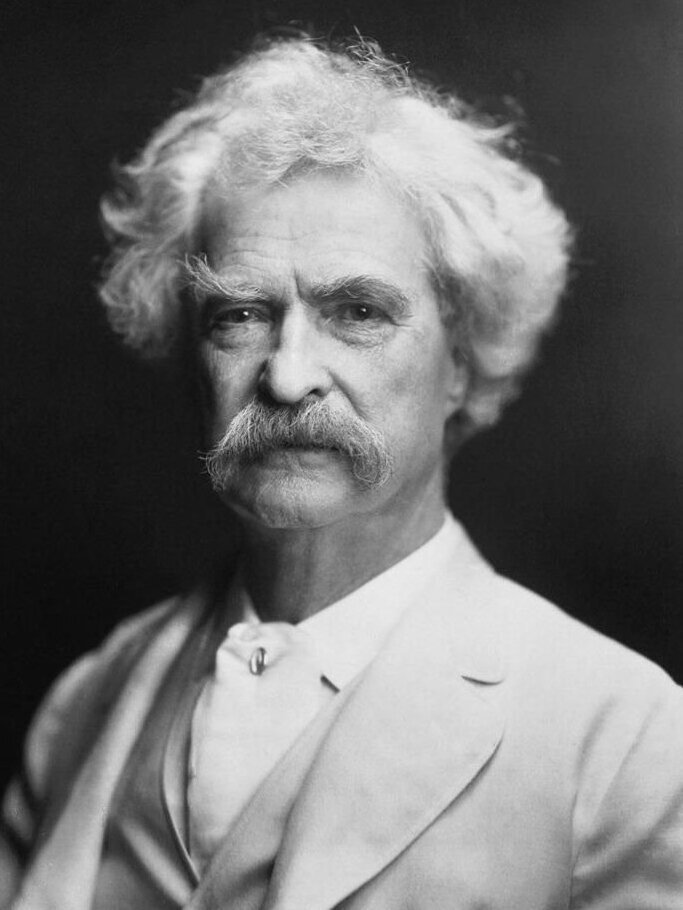 97
HOF
97
HOF  96
HOF
96
HOF  96
HOF
96
HOF 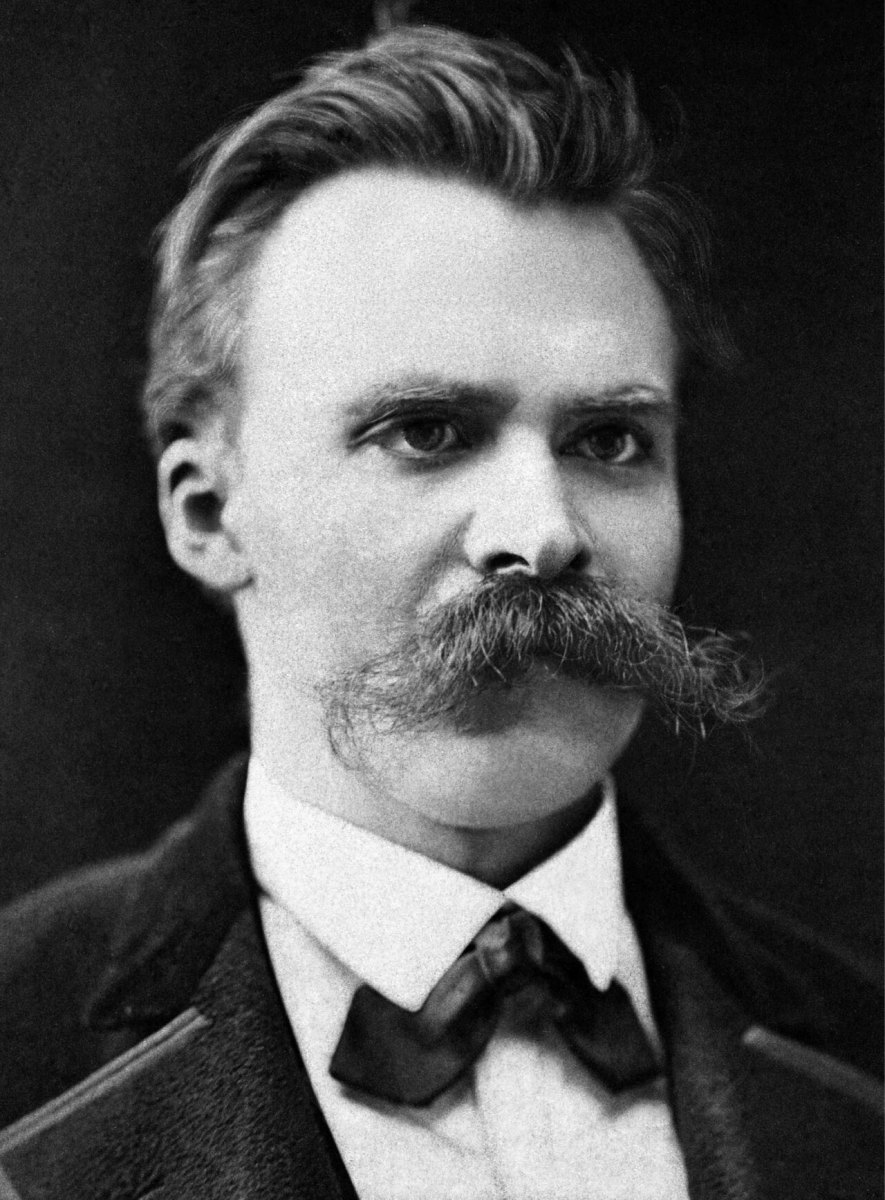 95
95
 95
HOF
95
HOF 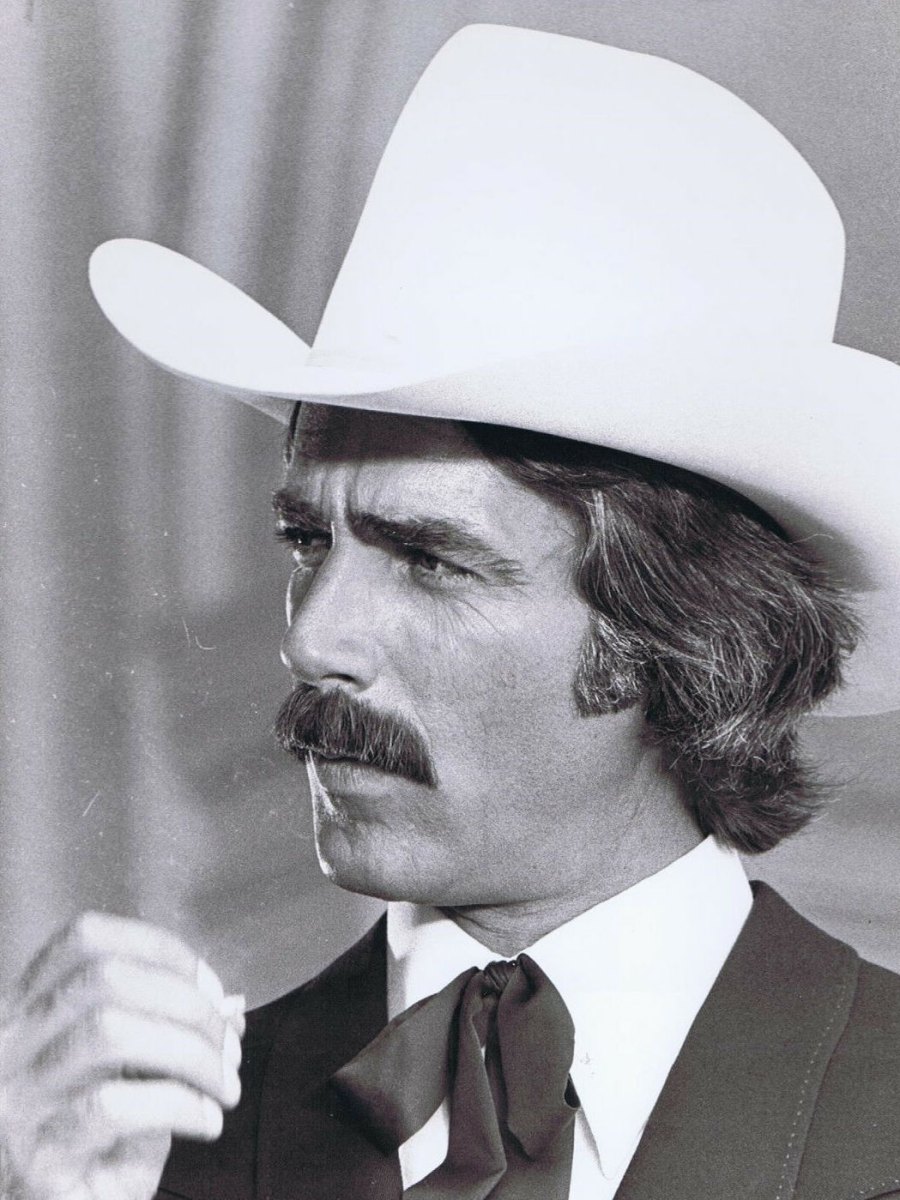 95
95
 93
HOF
93
HOF  93
HOF
93
HOF  92
92
 91
91
 91
91
 89
89
 88
Movies & TV
88
Movies & TV
 Firefighters
 Celebrity Stach News
 Stach Care
 Stach Care
 Movies & TV
Upload your stach, get rated on Stash Power, Ruggedness, Curl Factor and Legend Status, and collect your official Mr. Stach Card.