 Stach Care
 How to Grow a Hungarian Mustache: The Complete Guide
Big, bushy, and swept outward from the center in a wide, wild arc. The Hungarian is the walrus with a map and a purpose. Here is how to grow the largest natural mustache in the book.
The Hungarian is what you get when a walrus is combed outward instead of downward and allowed to grow past the corners of the mouth into broad, bushy wings. It is one of the largest mustache styles there is, and unlike the handlebar or English it stays mostly natural: combed, lightly waxed, and full from center to tip. It is a cavalry mustache, a frontier mustache, and the style of choice for anyone whose face has room for a lot of hair.
What It Is and Who It Suits
A Hungarian is a thick, full mustache that is grown long and combed outward from a central part, extending past the corners of the mouth in bushy, slightly upswept wings. The whole thing is dense; there are no thin points and no tight curls. The walrus drapes down; the Hungarian sweeps out. The handlebar tapers to curls; the Hungarian stays full to the ends.
It suits oval, square, round, and oblong faces, and it is especially flattering on broad or strong faces where a smaller mustache would look lost. Long faces get welcome width from it. Small, narrow faces may find it overwhelming.
Growth requirements: density and length. You need a thick mustache that grows long. It is the style for people who have been told they grow "too much" facial hair.
Growth Timeline
Weeks 1–2. Stubble. Grow everything on the lip.
Weeks 3–4. Awkward stage. Start parting the mustache at the center and combing each side outward every morning. Trim only hair entering the mouth.
Weeks 5–8. Density and length arrive. The ends pass the corners of the mouth. Begin working a soft or medium wax through the body and sweeping the wings outward and slightly up. First tidy: even the bottom line and clean the top edge.
Weeks 8+. Three months gives you a respectable Hungarian. Four to six months gives you the full cavalry effect, with wings extending well past the face. It keeps getting bigger for as long as you let it.
Tools You Need
- A wide-tooth comb for the body and a fine-tooth for the lip line
- A boar-bristle brush for training direction
- A soft-to-medium mustache wax (wax guide)
- Mustache oil; big mustaches need conditioning
- Scissors and a trimmer for the edges
How to Trim and Shape It
- Wash, condition, dry. Part at the center and comb each side outward.
- Trim the lip line so the top lip is visible at the center. The sides can hang a little lower.
- Even the bottom line of the wings so they taper naturally from thick center to bushy tip; snip only the stragglers.
- Clean the top edge above the mustache, following your natural line.
- Check wing length symmetry from straight on. Trim only the longer side, and only slightly.
- Never thin the body. The Hungarian is meant to be dense.
Styling and Wax Technique
Work a small amount of soft wax through the whole mustache with your fingers, then brush outward from the center part on each side. Lift the wings slightly as you brush so they sweep out and up rather than drooping. Press the body down along the lip so it lies neat at the center and fans out toward the ends. A hair dryer on low while brushing outward helps set the direction. The finished look is full, natural, and wide.
Common Mistakes
- Combing down. That makes a walrus. Comb out.
- Tapering the ends to points. That makes an imperial. Keep them bushy.
- Skipping the center part. The two-wing structure needs a visible center.
- Under-conditioning. A big dry mustache looks like a hedge.
- Trimming for neatness at week six. The Hungarian gets good at week twelve. Wait.
Variations Worth Knowing
The cavalry Hungarian is enormous, swept wide and up, and needs six months and a lot of wax. The everyday Hungarian stops a finger-width past the corners and is lightly waxed outward. The "walrus-Hungarian" is combed out on top and allowed to drape a little at the bottom, which is where Sam Elliott tends to live. With a beard, the Hungarian wings blend in at the cheeks; on a clean face they stand out. Choose the everyday version first and let it grow into cavalry territory if you enjoy the attention.
Famous Wearers
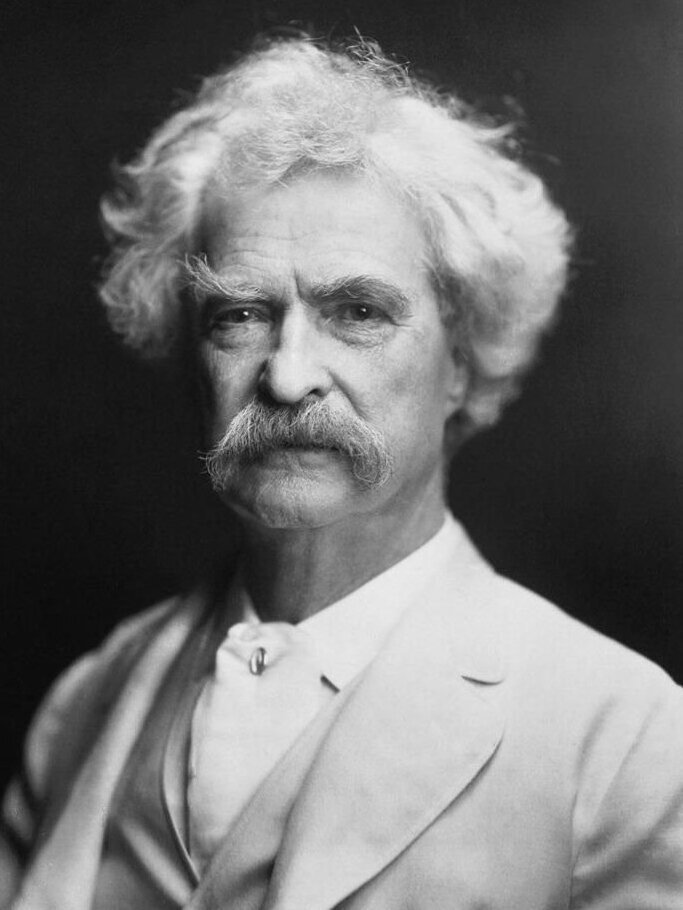
Sam Elliott has drifted between walrus and Hungarian for decades and owns both. Mark Twain swept his out wide. Wilford Brimley wore a heavy version for most of his career. Jamie Hyneman's distinctive outswept mustache is a modern Hungarian, and the 19th-century Hungarian cavalry gave the style its name.
How to Maintain It
Wash and condition every other day. Oil daily. Brush outward every morning and evening. Light wax when you want it sharp. Trim the lip line weekly and the edges every two to three weeks. The Hungarian is medium maintenance and high reward; it also makes an excellent place to store crumbs, so keep a comb handy.
Mr. Stach grooming content is educational and not medical advice.
Grooming content is educational and not medical advice.
Frequently Asked Questions
How long does it take to grow a Hungarian mustache?
About three months for a respectable Hungarian and four to six months for the full wide, bushy wings.
What is the difference between a Hungarian and a walrus mustache?
The walrus is combed down and drapes over the lip. The Hungarian is parted at the center and combed outward into bushy wings that pass the corners of the mouth.
Do I need wax for a Hungarian mustache?
A soft or medium wax helps sweep the wings outward and keep the body tidy, but the Hungarian should still look natural, not sculpted.
Should I trim the ends of a Hungarian mustache?
Only to even out stragglers. The ends stay full and bushy; tapering them to points turns it into an imperial.