
 Mustache History
 The History of Movember: From 30 Friends in Melbourne to a Global Movement
How a 2003 conversation in an Australian pub became the largest men's health campaign in the world, and why the mustache was the perfect vehicle.
Every November, millions of upper lips around the world go to work. Movember is now so established that it is easy to forget it is barely two decades old, and that it started with no charity, no website and no plan beyond seeing whether the mustache could be brought back.
2003: the first Mo
The story begins in Melbourne, Australia, in 2003. A group of friends, including Travis Garone and Luke Slattery, were discussing fashion trends that had come and gone and landed on the mustache, which by then was thoroughly out of style. They decided to grow mustaches for the month of November and recruited around thirty participants. There was no fundraising component that first year. It was, by their own account, a bit of fun, and a chance to see how many men they could talk into it.
2004: the cause
The following year the group, now including Adam Garone and Justin Coghlan, attached the effort to men's health. They had been struck by the attention and fundraising that women's health causes like breast cancer had attracted, and by the relative silence around prostate cancer. In 2004, about 450 men took part and raised funds for the Prostate Cancer Foundation of Australia. The Movember Foundation was formally established, and the model was set: grow a mustache for thirty days, get people to sponsor you, and use the inevitable questions about your face to talk about men's health.
Growth
From there the campaign expanded quickly. It spread to New Zealand, then to the United Kingdom, the United States, Canada, Ireland, South Africa and across Europe. By the early 2010s Movember was operating in more than twenty countries and had become one of the largest men's health charities in the world, funding programs across prostate cancer, testicular cancer and, increasingly, mental health and suicide prevention.
The Foundation has reported raising well over a billion dollars cumulatively since its founding, funding more than a thousand men's health projects. Those figures vary year to year and are published in the Foundation's annual reports, but the scale is not in dispute.
Why the mustache worked
Movember succeeded for reasons that are worth understanding, because they say something about the mustache itself.
First, the mustache is visible. A ribbon on a lapel can be ignored; a new mustache on a coworker's face cannot. Every participant becomes a walking conversation starter, and the conversation is the point.
Second, it is temporary and low-stakes. A man who would never commit to a permanent mustache can manage thirty days, and the fact that it is a little awkward is part of the fun.
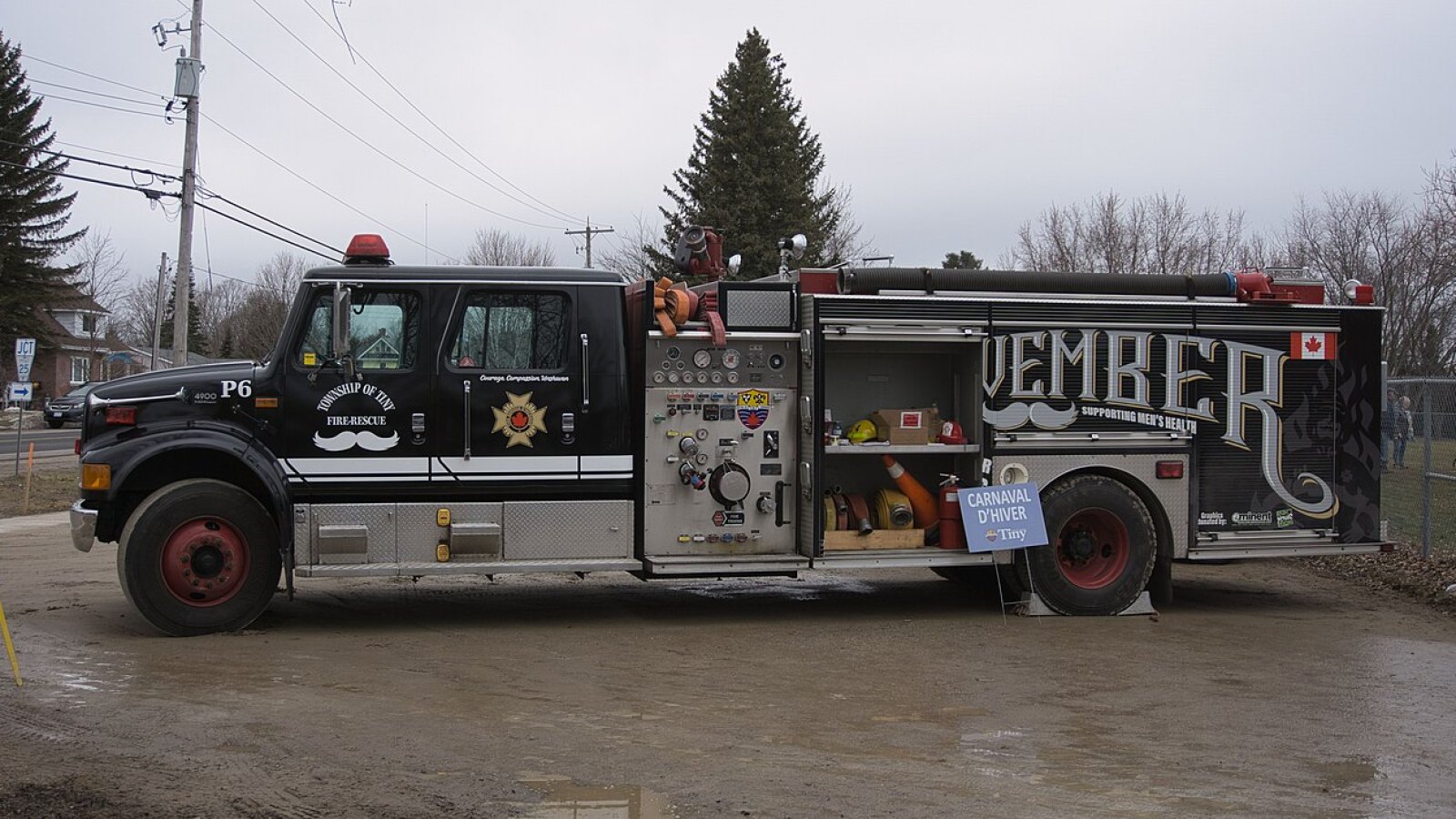
Third, it is communal. Offices, sports teams, fire departments, police departments and military units took up Movember as a group activity, which added competition and accountability. Firehouses in particular embraced it, a subject we cover in our firefighter section.
Fourth, it gave men permission to talk about health, which many men are reluctant to do. The awkwardness of the mustache defused the awkwardness of the topic.
The rules and the vocabulary
Movember developed its own culture. Participants are "Mo Bros," supporters "Mo Sistas." The traditional rules require starting clean-shaven on November 1 and growing only a mustache, not a beard, for the month, though the Foundation has broadened participation over the years to include fitness challenges and fundraising events for people who cannot or do not want to grow one.
Movember and the revival
It is hard to overstate Movember's role in the mustache's modern comeback. It put mustaches on millions of young men who had never worn one, at a time when the style was at its lowest ebb. Many of them kept it. It also reframed the mustache from a fashion choice to a statement of solidarity, which made it acceptable in workplaces and families that might otherwise have objected. The ironic mustache of the early 2000s and the Movember mustache arrived at roughly the same moment, and together they did what nothing else had managed: they made the mustache mean something new.
Today
Movember continues every November, with the Foundation funding research and programs year-round. Whatever you think of the mustache as a style, its role in getting men to see a doctor, talk to a friend or check themselves is a genuine public health contribution. Not bad for thirty guys in a pub.
Frequently Asked Questions
When and where did Movember start?
In Melbourne, Australia, in 2003, when a group of friends grew mustaches for November. Fundraising for men's health began in 2004.
What causes does Movember support?
Prostate cancer, testicular cancer, mental health and suicide prevention.


