 Mustache History
 The Modern Mustache Revival: How the Stach Became Cool Again
From ironic hipster handlebars to Nick Offerman, Movember and the 2020s comeback, the story of how the mustache climbed out of the 1990s.
In 1995 a young man with a mustache was making a joke. In 2025 he might be making a statement, paying tribute, raising money, competing, or just wearing the thing he likes on his face. The mustache's return over the past two decades is one of the more interesting stories in men's grooming, because it happened in stages, and each stage had a different reason.
Stage one: the ironic mustache
The first sign of life came in the early 2000s with what was often called the ironic mustache. Young men in cities, often associated with the indie and hipster scenes, grew mustaches precisely because they were unfashionable. A handlebar or a pencil on a twenty-five-year-old in 2005 was a wink, a deliberate piece of retro costume. It was not meant to be taken seriously, but it put mustaches back on young faces for the first time in fifteen years, and that mattered.
Stage two: Movember
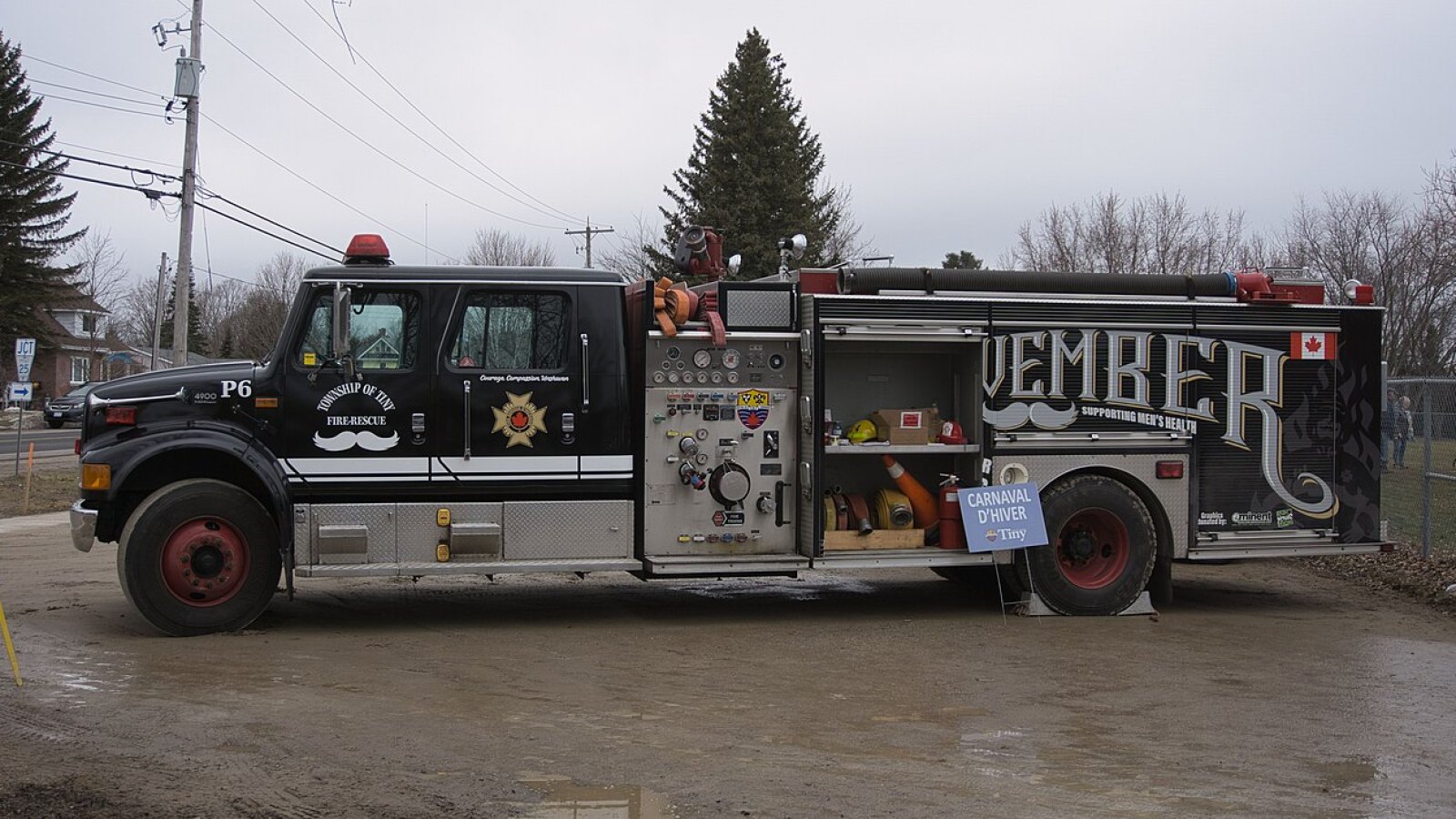
The second stage was organized. Movember began in Melbourne, Australia, in 2003, when a small group of friends decided to grow mustaches for the month of November. In 2004 they attached the effort to fundraising for men's health, specifically prostate cancer, and the campaign grew explosively from there. By the 2010s, Movember was a global charity raising hundreds of millions of dollars, with a focus that expanded to include testicular cancer, mental health and suicide prevention.
Movember changed the mustache's meaning. Growing one in November became an act of solidarity and a conversation starter about health. Men who would never have worn a mustache for fashion grew one for the cause, and many discovered they liked it. The campaign also gave the mustache an annual moment in the spotlight, which no grooming trend had ever had before. We cover the full history in our Movember article.
Stage three: beards, then mustaches
The 2010s were the decade of the beard. Full beards went from lumberjack costume to mainstream fashion, and for a while the mustache was a supporting player, part of a larger beard rather than a statement on its own. But the beard boom did something important: it normalized facial hair for a whole generation. Once a man has had a beard, the mustache is not a leap.
As beard fashion peaked and began to recede in the late 2010s, many men kept the mustache and dropped the rest. The standalone mustache came back as the sophisticated option, the thing you wore when the beard started to feel like everyone else.
Stage four: the cultural champions
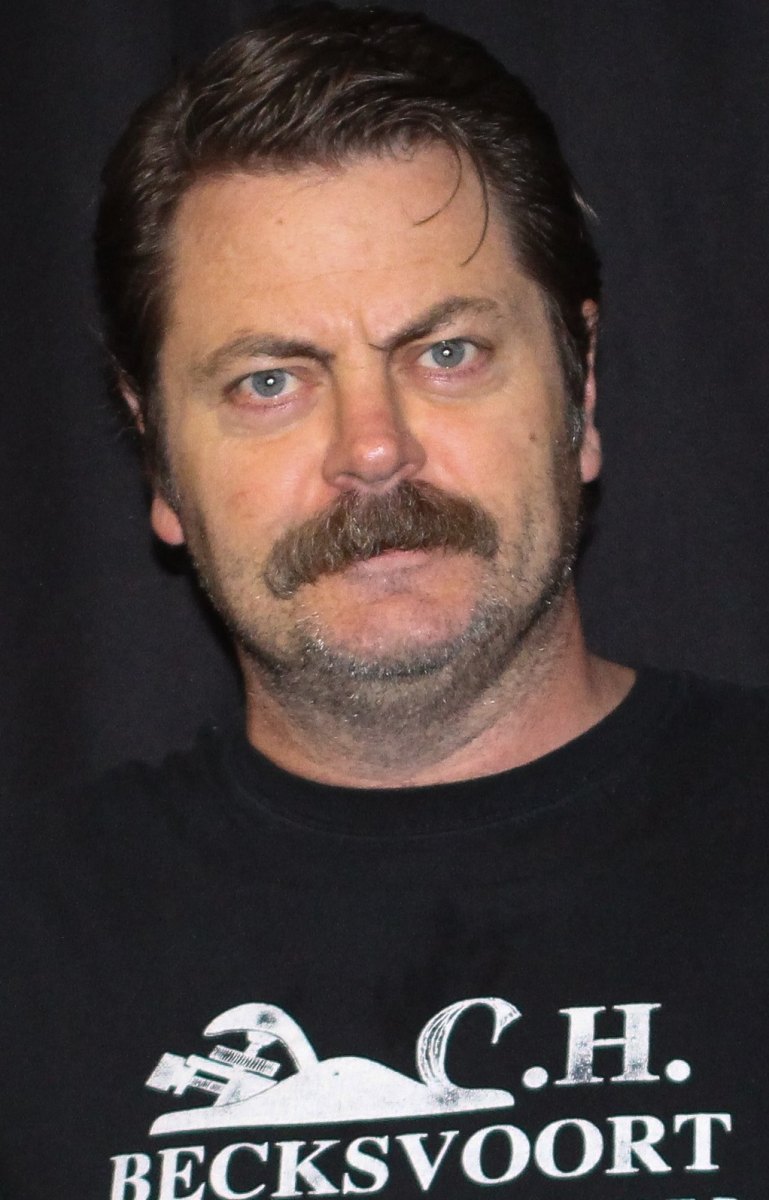
Every revival needs faces. Nick Offerman (born 1970) gave the modern mustache its best-known one. His role as Ron Swanson on Parks and Recreation (2009–2015), with its thick, unapologetic mustache and dry philosophy of self-reliance, made the mustache funny and admirable at the same time, without a hint of irony. Offerman's own writing and woodworking persona reinforced it.
In sports, the mustache came back strongly in the 2010s and 2020s, in baseball especially, where players adopted it both as retro homage and as a team-bonding tradition. Hockey playoff mustaches, football mustaches and NASCAR mustaches followed. In music and film, a steady stream of leading men and musicians wore them without comment, which is the surest sign a style has returned: nobody remarks on it.
Stage five: competition and craft
Alongside the mainstream return, a dedicated subculture grew. Beard and mustache championships, which had existed in Europe for decades, expanded dramatically in the United States through the 2010s. Handlebar, imperial and freestyle categories brought back the Victorian craft of waxing and shaping, and social media gave the results an audience. The mustache became a hobby as well as a look.
Where we are now
Today the mustache occupies a comfortable position it has not held since the 1970s: normal, varied and chosen. A man might wear a chevron because it suits his face, a handlebar because he enjoys the work, a Movember mustache for the cause, or a walrus because his grandfather had one. None of those requires explanation.
That is what a revival looks like when it succeeds. The mustache is no longer coming back. It is back.
Frequently Asked Questions
When did the modern mustache revival start?
It began in stages: the ironic mustache of the early 2000s, Movember from 2003 onward, the 2010s beard boom, and a standalone-mustache comeback in the late 2010s and 2020s.
Who is the face of the modern mustache?
Nick Offerman, through his role as Ron Swanson on Parks and Recreation, is the most frequently cited modern mustache icon.