 Mustache History
 1970s Mustaches: The Decade the Stach Ran Wild
Burt Reynolds, Rollie Fingers, Freddie Mercury and a generation of men who stopped shaving their upper lips. The 1970s mustache explained.
No decade is more closely associated with the mustache than the 1970s. It is the default setting for every costume party and every retro joke. But the 1970s mustache was not a joke at the time. It was the look of a generation that had decided, more or less all at once, that the clean-shaven ideal of their fathers was finished.
Where it came from
The late 1960s counterculture loosened grooming rules across the board. Long hair, beards and sideburns became statements of independence. As the 1970s arrived, the full beard stayed on the fringes but the mustache went mainstream. It was a compromise: rebellious enough to mark a man as modern, conventional enough to wear to the office. Professional athletes, police officers, firefighters, musicians and movie stars all grew them, and the mustache became the rare fashion that cut across class and region.
The chevron takes over
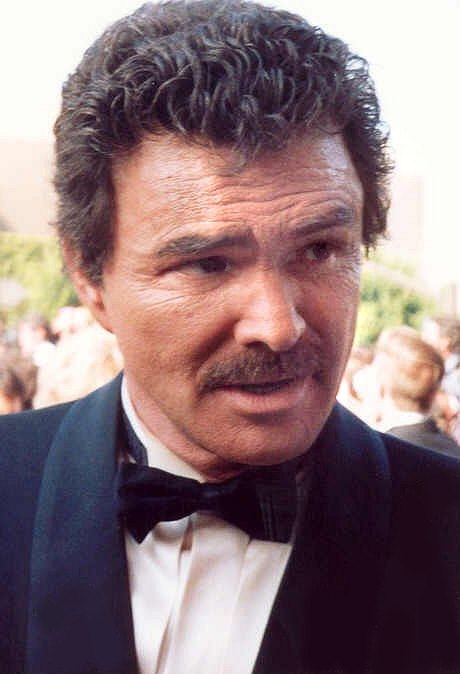
The defining style of the decade was the chevron: thick, full, covering the upper lip and angling down slightly at the ends. It required no wax and no styling, only patience. It was the working man's mustache and the movie star's mustache at the same time.
Burt Reynolds (1936–2018) was its king. Reynolds wore a heavy chevron through Deliverance (1972), The Longest Yard (1974) and Smokey and the Bandit (1977), and for a stretch of the late 1970s he was the top box office draw in America. His mustache was part of the brand: confident, amused, slightly dangerous. When people picture a 1970s mustache, they are usually picturing Burt Reynolds.
The ballplayers
Baseball had been clean-shaven for most of the twentieth century, partly by custom and partly by team rule. That changed in 1972 when Oakland Athletics owner Charlie Finley, responding to Reggie Jackson arriving at spring training with a mustache, offered a cash bonus to any player who grew one by Father's Day. The whole team did. Rollie Fingers grew a waxed handlebar that became one of the most famous mustaches in sports history, and the "Mustache Gang" Athletics won three straight World Series from 1972 to 1974. By the late 1970s, mustaches were everywhere in the major leagues.
Music
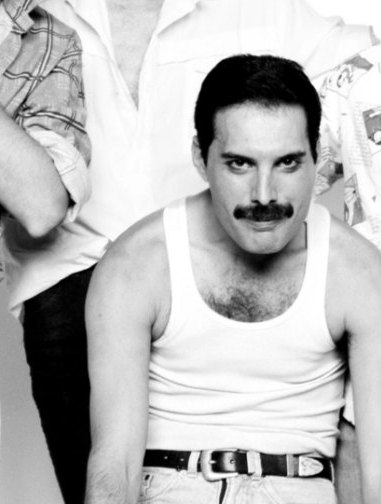
The mustache was a fixture of 1970s music across genres. Freddie Mercury (1946–1991) adopted his thick, dark mustache around 1980, right at the end of the decade, and it became one of the most recognizable in rock. Country and outlaw country were full of them. Funk, soul and disco acts wore them. Even the clean-cut pop of the period had its share.
Everyday mustaches
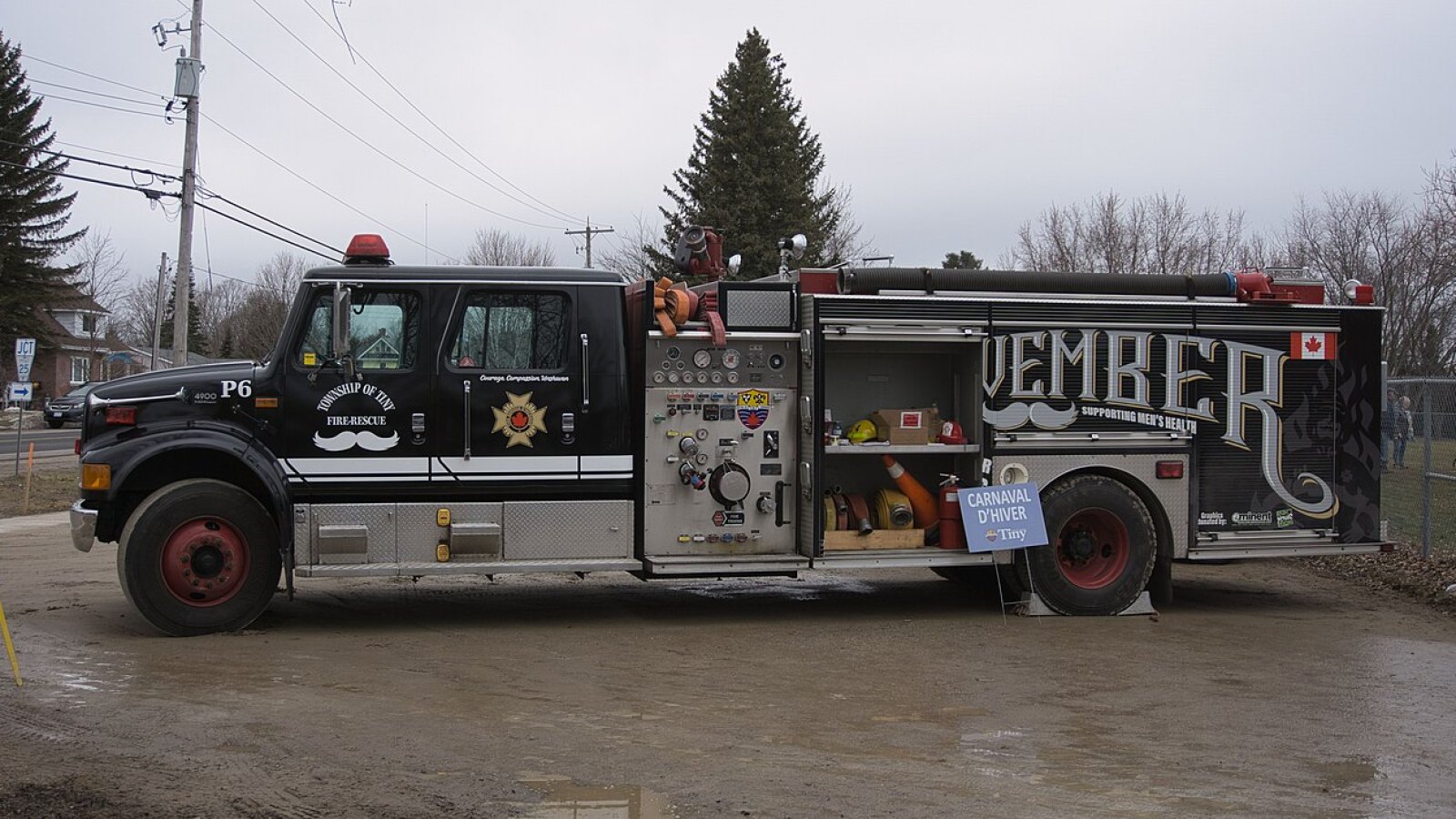
What made the 1970s different from earlier mustache eras was how ordinary it became. Look at a high school yearbook, a police department photo or a fire company portrait from 1977 and the mustaches outnumber the clean faces. The style was associated with masculinity but also with approachability; it was the mustache of the neighborhood cop, the high school coach and the dad at the barbecue.
Television reinforced it. Detectives, sitcom dads and game show hosts all wore them, and the man-with-a-mustache became a stock image of adulthood.
Why it ended
By the early 1980s, the mustache had become so common that it lost its edge. A new generation looked at it as their fathers' look, which is exactly what had happened to the Victorian walrus and the Hollywood pencil. The 1980s kept the mustache alive through a few towering examples, which we cover in the next article, but the mass mustache of the 1970s faded. By the 1990s it was a punchline, and it would take the twenty-first century to make it cool again.
The legacy
Every modern chevron owes a debt to the 1970s. So does the entire idea of the mustache as a retro, ironic or deliberately bold choice. The decade that made the mustache ordinary is the reason it can now be a statement.
Frequently Asked Questions
What was the most popular mustache style of the 1970s?
The chevron: a thick, full mustache covering the upper lip, worn by Burt Reynolds and countless everyday men.
Why did the Oakland Athletics grow mustaches in 1972?
Owner Charlie Finley offered a bonus to players who grew one by Father's Day, producing the "Mustache Gang" that won three straight World Series.