 Mustache History
 1980s Mustaches: Magnum, Cops and the Last Stand of the Chevron
Tom Selleck, Hulk Hogan, Freddie Mercury and the decade when a few giant mustaches carried the whole tradition. How the 1980s kept the stache alive.
The 1980s were the decade the mustache went from everywhere to iconic. Fewer men wore them than in the 1970s, but the ones who did wore them enormously, and a handful of faces from the era are still the first names anyone mentions when the subject comes up.
Magnum
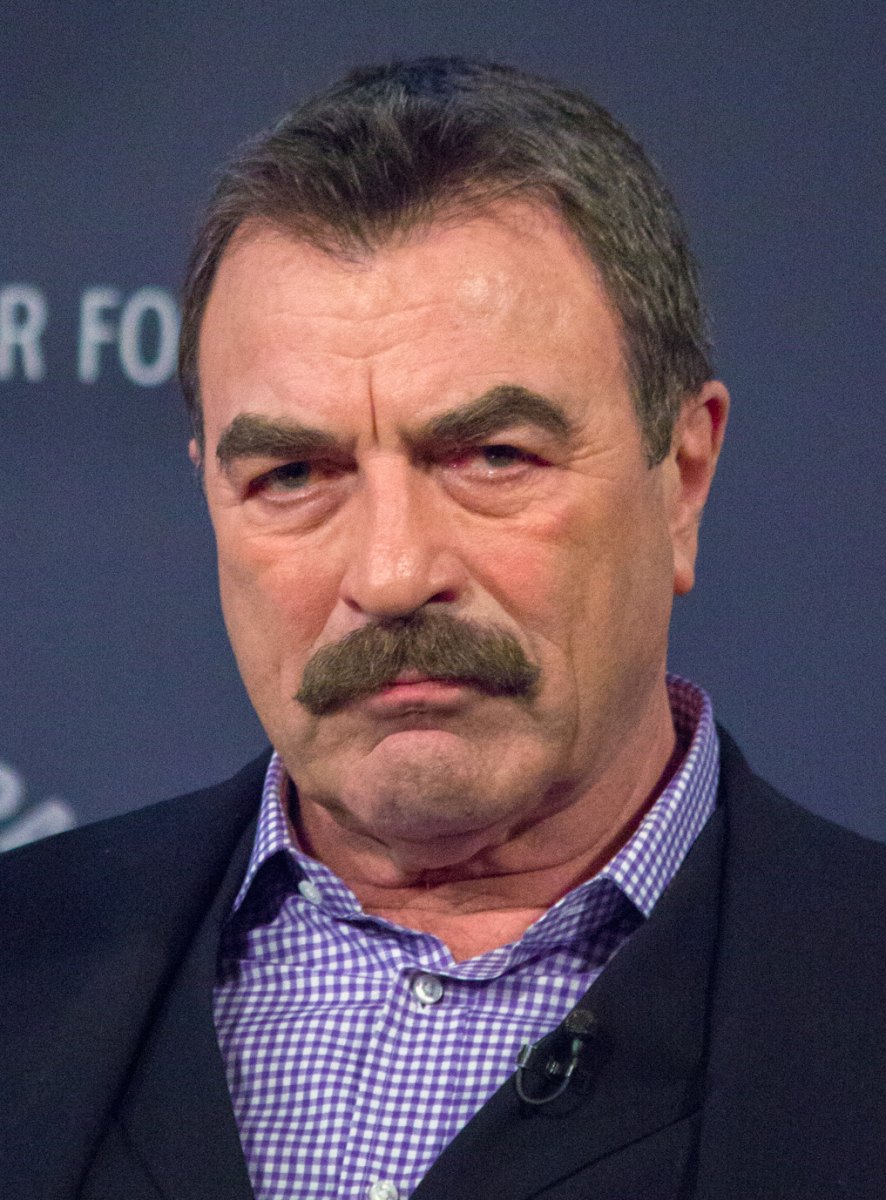
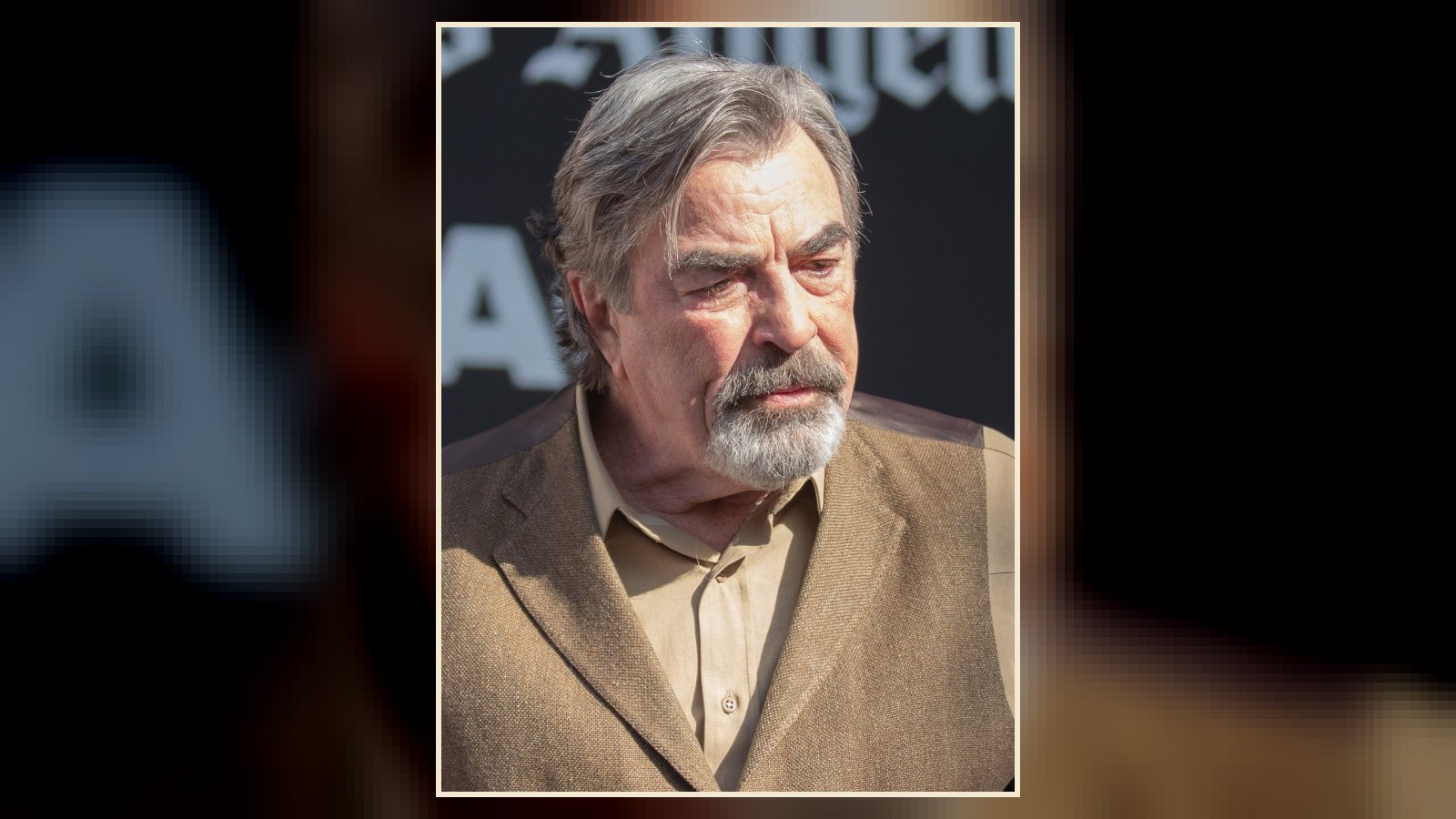
Tom Selleck (born 1945) is the defining mustache of the decade, and arguably of television history. Magnum, P.I. ran from 1980 to 1988, and Selleck's thick, perfectly groomed chevron, along with the Hawaiian shirts and the Ferrari, made him a symbol of easygoing masculinity. The mustache was so central to his image that he kept it through most of his career, including his long run on Blue Bloods decades later. For a generation of men, "a Magnum" was simply another word for a mustache.
The cop stache
Television and film in the 1980s cemented the association between the mustache and law enforcement. Detectives, patrol officers and private eyes on screen overwhelmingly wore them, reflecting a real-world trend. The mustache of the era was authoritative but approachable, and it became one of the most durable visual shorthands in popular culture, a subject we cover in our law enforcement section.
Rock and pop
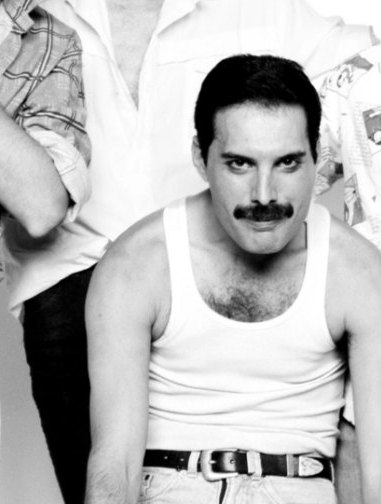
Freddie Mercury wore his thick mustache through Queen's 1980s peak, including the Live Aid performance in 1985 that is often called one of the greatest live shows in rock history. The mustache was part of a deliberately bold stage image and it remains one of the most instantly recognizable in music. Elsewhere in the decade, Lionel Richie wore a neat mustache through his biggest hits, and country stars kept the tradition going.
Sports and entertainment
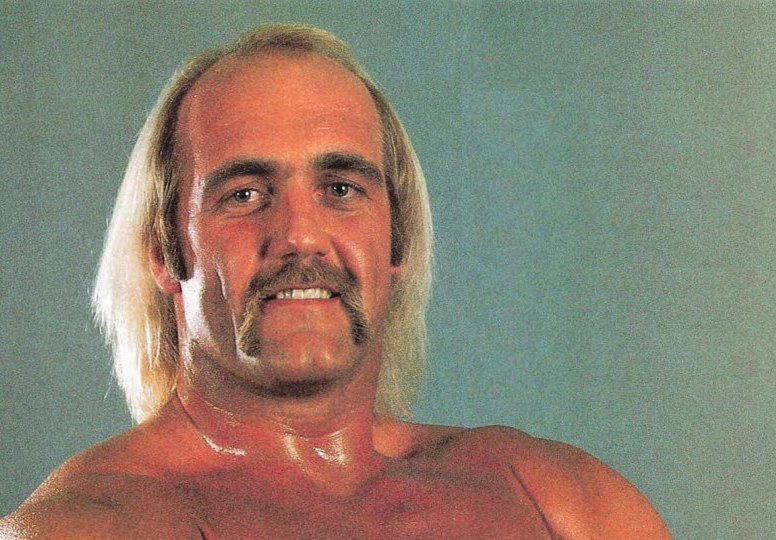
Professional wrestling gave the 1980s one of its most famous mustaches: Hulk Hogan (born 1953) and his blond horseshoe, which became inseparable from the wrestling boom of the period. In baseball, Keith Hernandez, Dennis Eckersley and Don Mattingly wore mustaches through the decade. In the NFL, Mike Ditka coached the 1985 Chicago Bears with one of the most intimidating mustaches in sports. Race car drivers, boxers and Olympians wore them too. If the 1970s made the mustache ordinary in sports, the 1980s made it a signature: the players remembered for their mustaches were remembered partly because fewer teammates shared the look.
The "dad stache" begins
What was changing underneath all this was the age profile. The young men who had grown mustaches in 1975 were entering middle age in 1985, and many kept them. Meanwhile, younger men were increasingly clean-shaven or experimenting with stubble. The mustache was becoming associated with fathers, coaches and authority figures, which is both why it remained respectable and why it started to lose its cool.
By the late 1980s, the cultural center of gravity had shifted. The clean-shaven look dominated youth culture, and the mustache was held up by its great champions rather than by the crowd.
The 1990s dip
The 1990s were the low point. Outside of specific subcultures and professions, the mustache all but vanished from young men's faces. It survived in firehouses, police departments and the military, where it had deep roots, and among older men who simply never shaved it off. In popular culture it became a signal of the uncool, the outdated or the comic. It would take a deliberate, organized effort to bring it back.
The legacy of the 1980s
The 1980s gave the mustache its modern icons. Selleck, Mercury and Hogan are not historical figures in the way Wyatt Earp is; they are living memory, and they define what a "great mustache" looks like for most people alive today. When the revival came in the 2000s and 2010s, it reached back past the 1990s to exactly these faces. The chevron's last stand turned out to be the foundation for its comeback.
Frequently Asked Questions
What mustache style did Tom Selleck wear on Magnum, P.I.?
A thick, full chevron, which became so famous that "a Magnum" became shorthand for a mustache.
Why did mustaches decline in the 1990s?
They had become associated with older men and authority figures, and youth culture moved toward clean-shaven faces or stubble.