 Law Enforcement Staches
 The Cop Stache in Pop Culture: From Magnum to Super Troopers
Television and film made the police mustache a visual shorthand so strong it can be played straight or for laughs. A tour through the best and most famous on-screen cop staches.
Put a man in a uniform and give him a mustache, and every audience in the world knows what he does for a living. The "cop stache" is one of the most durable images in popular culture, so established that it works equally well as a mark of authority and as a punchline. Here is how it got there and where it shows up.
The Western lawman
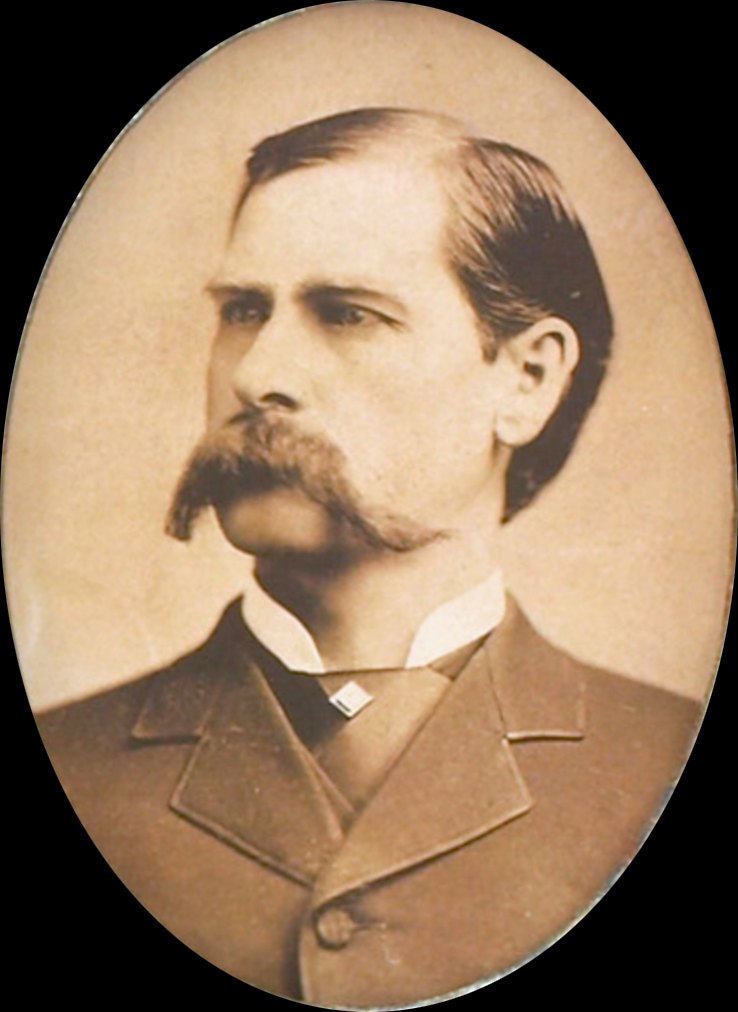
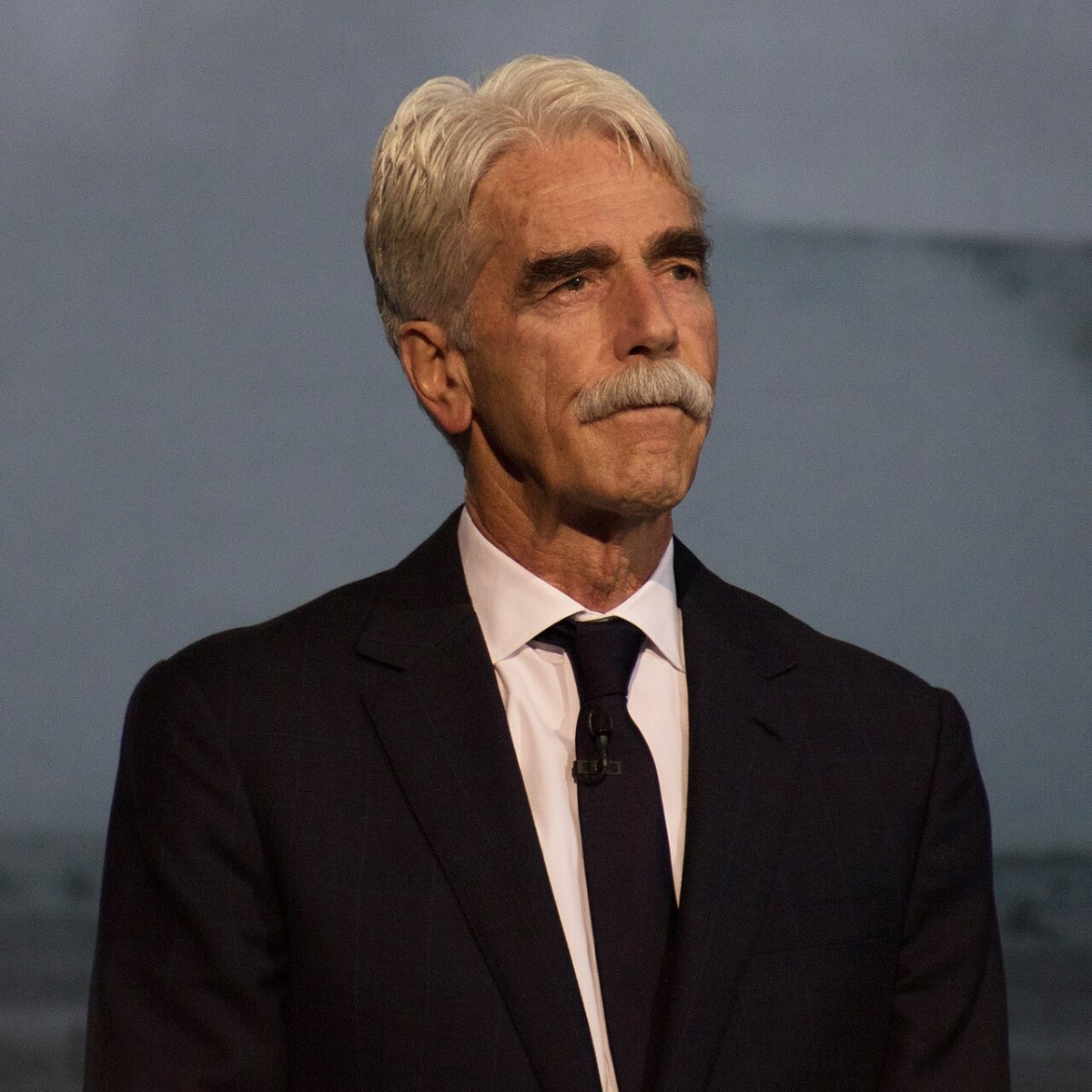
The on-screen cop stache starts with the Western. Hollywood's version of the frontier marshal, built on photographs of Wyatt Earp and his contemporaries, almost always wore a mustache, and decades of Western films and television series made the mustached lawman a fixture. Henry Fonda wore one as Earp in My Darling Clementine (1946). Kurt Russell wore a magnificent one as Earp in Tombstone (1993), and Sam Elliott, as Virgil Earp in the same film, wore one of the most admired mustaches in movie history. The lawman mustache of the Western is the ancestor of everything that follows.
The 1970s detective
When the mustache returned in the 1970s, television detectives led the way. Private investigators, plainclothes cops and uniformed officers on screen wore mustaches in proportion to the real world, which is to say most of them did. The look fit the era's idea of the streetwise cop: tough, experienced, a little weary.
Magnum and the 1980s
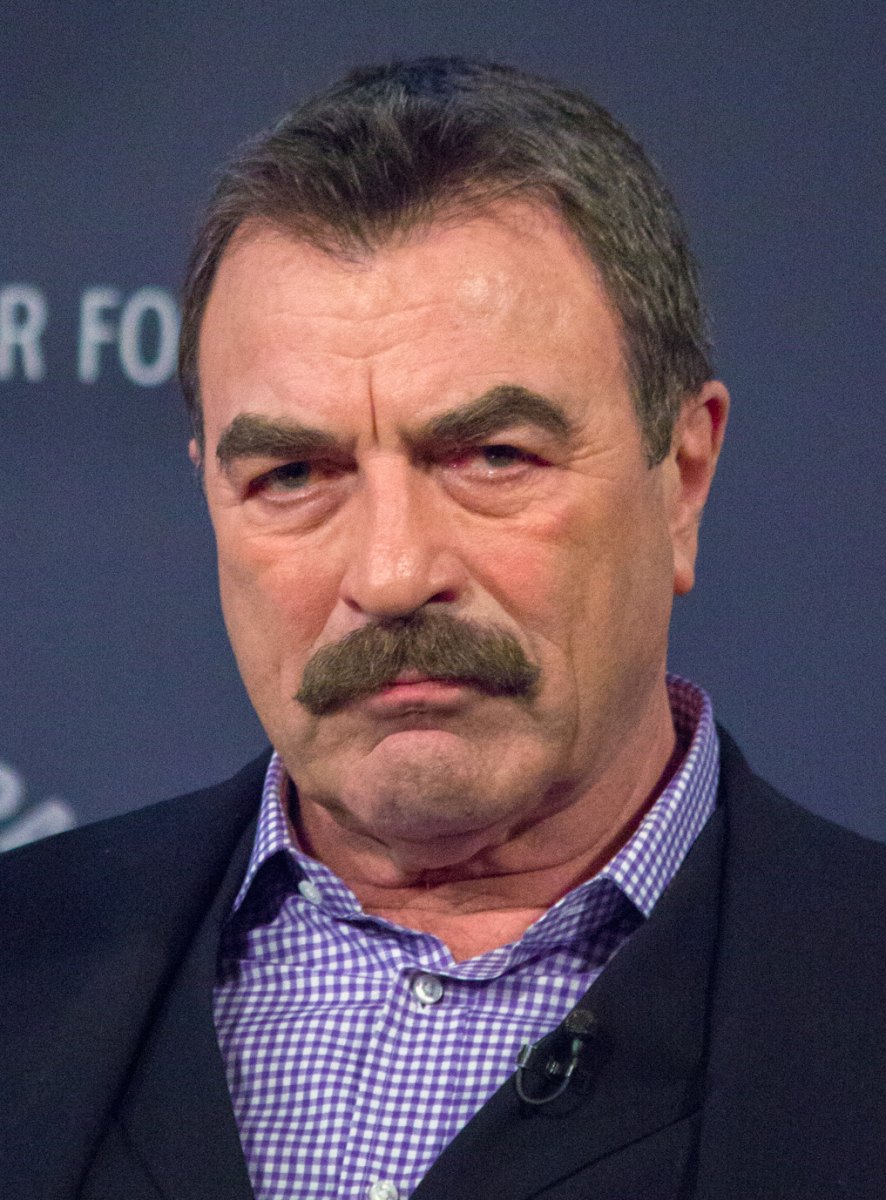
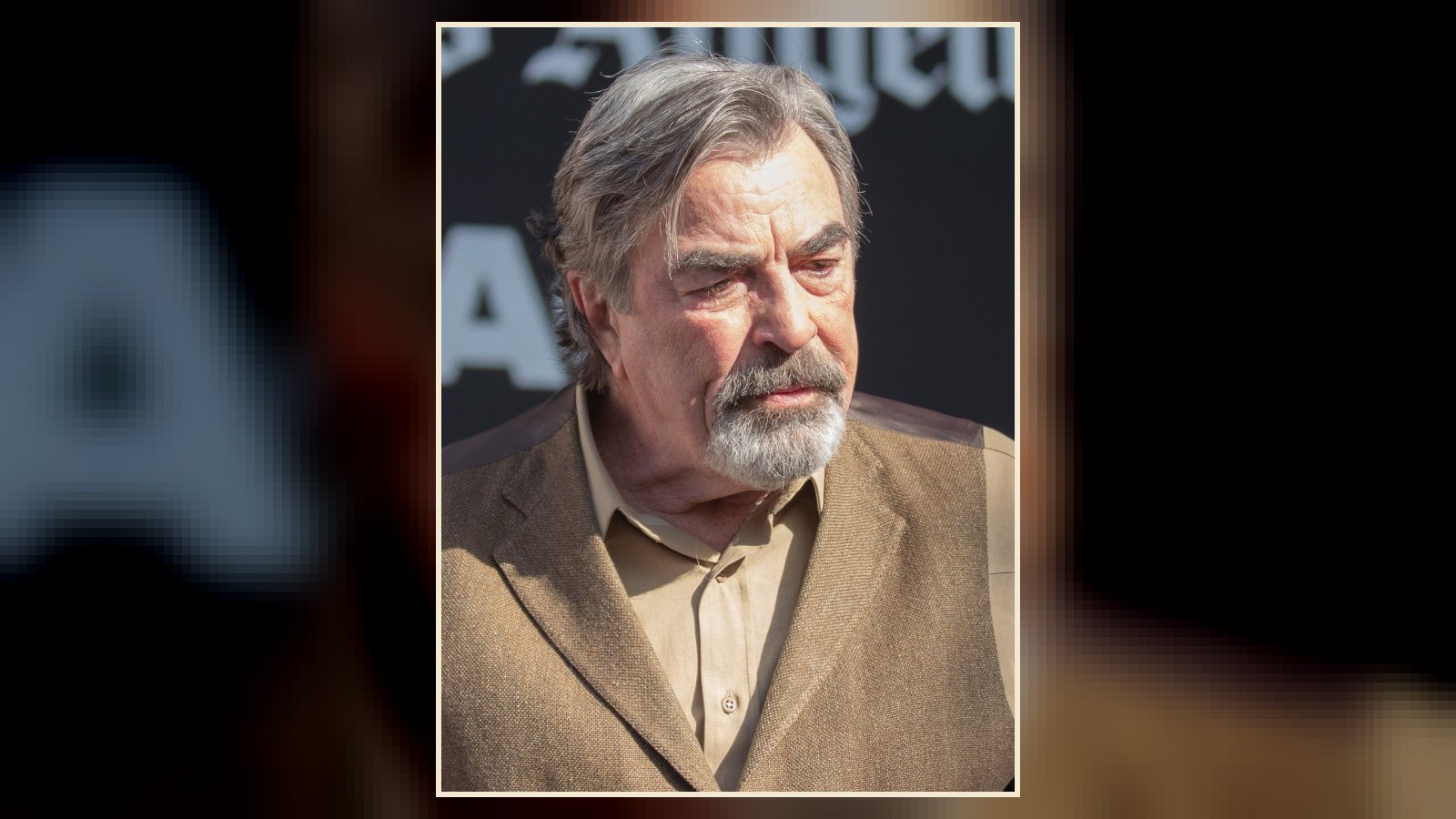
Tom Selleck (born 1945) was a private investigator rather than a police officer on Magnum, P.I. (1980–1988), but his mustache became the template for the entire category, and he later played a police commissioner on Blue Bloods (2010–2024) with the same mustache. Selleck's chevron is the single most influential mustache in the history of the screen cop, and it sits at the point where the authoritative cop stache and the comic cop stache split.
Through the 1980s, the serious version was everywhere: police procedurals, buddy-cop films and action movies gave mustaches to detectives and sergeants as a matter of course. The look signaled competence and seniority, and audiences read it instantly.
The comic cop stache
By the 1990s the mustache had fallen out of civilian fashion, which meant that a mustache on a police character now carried an extra layer of meaning: this was a man out of step with the times, or a man who took himself very seriously, or both. Comedy seized on it.
Super Troopers (2001) built an entire film around mustached Vermont state troopers, and the mustache was central to the joke. Reno 911! (2003–2009) gave its deputies mustaches as part of their loving parody of reality police television. Police Academy films, The Naked Gun series and countless sketches used the cop stache as instant characterization. The humor was rarely mean; it was affectionate, and it depended on the audience already knowing that real police officers wore mustaches.
Animated and video game cops
The cop stache is so embedded that animation and games use it as a single-frame signifier. Cartoon police officers, from children's programming to adult animated comedies, are disproportionately mustached. Video games do the same. The mustache plus the cap is a universal visual sentence: this is a cop.
The serious revival
In the 2010s and 2020s, as the mustache came back into fashion, the screen cop stache came back as a serious choice rather than a comic one. Prestige crime dramas and period pieces set in the 1970s and 1980s gave their detectives authentic mustaches, and the look read as period-correct and tough rather than dated. The cop stache had completed the cycle: authority, then joke, then authority again.
Why it works
The cop stache works on screen because it works in life. Police departments really did adopt the mustache in the 1970s and keep it through the 1980s and beyond, and audiences recognized the look from the officers in their own towns. The mustache conveys experience, which a film needs to establish quickly, and tradition, which connects a modern cop to the lawman of the Western. Comedy can play on it precisely because it is real.
A note on respect
This article is about film and television, not about real officers or agencies, and nothing here is an endorsement of or by any department. Pop culture's cop stache is a cartoon of a real tradition. The real tradition, which we cover in our history of the lawman mustache, deserves to be taken on its own terms.
Frequently Asked Questions
What is the most famous cop stache on screen?
Tom Selleck's chevron on Magnum, P.I. and later Blue Bloods is the most influential, and Kurt Russell's Wyatt Earp in Tombstone is the most celebrated Western example.
Why is the cop stache used in comedy?
Because the look is so well established that a mustache on a police character instantly signals authority, which comedies like Super Troopers and Reno 911! play against.