 Law Enforcement Staches
 The Lawman Mustache: A History from the Frontier to the Patrol Car
Wyatt Earp, Bass Reeves, Bat Masterson, Frank Hamer and a century of police officers. How the mustache became the unofficial badge of American law enforcement.
No profession is more closely tied to the mustache in the American imagination than law enforcement. The connection runs from the frontier marshals of the 1870s through the Texas Rangers of the 1930s to the patrol officers of the 1970s and 1980s, and it is still visible in police departments today. This is the history of how that happened.
The frontier marshal
The lawman mustache begins in the Victorian era, when nearly every man wore facial hair, and in the American West, where the men enforcing the law were photographed often enough to fix the image permanently.
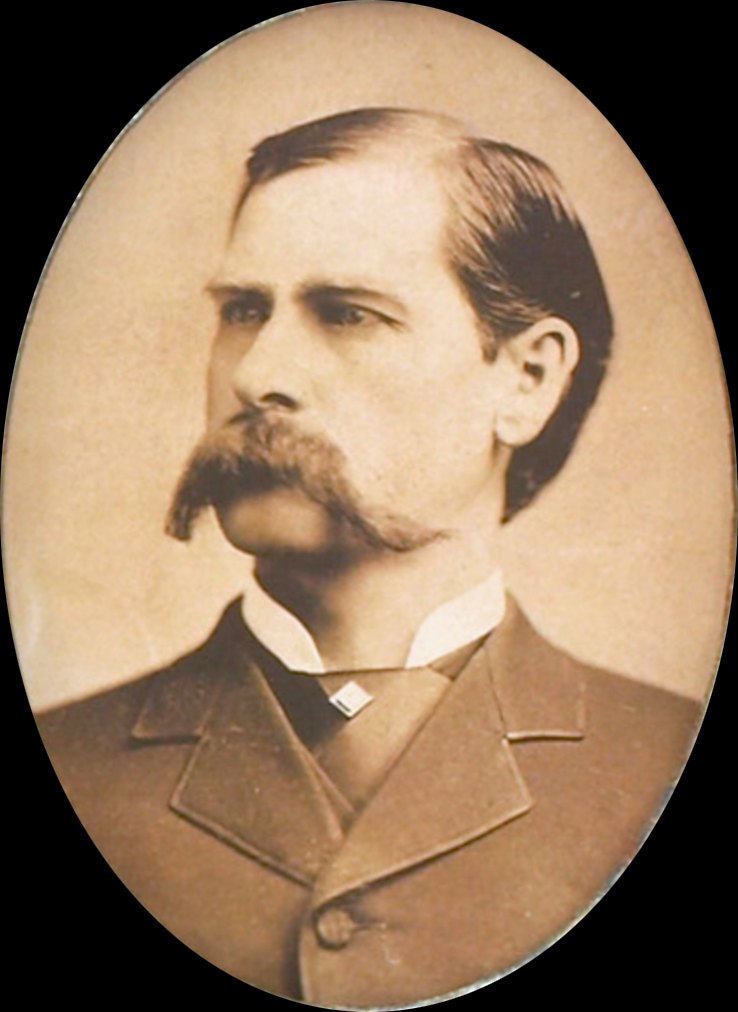
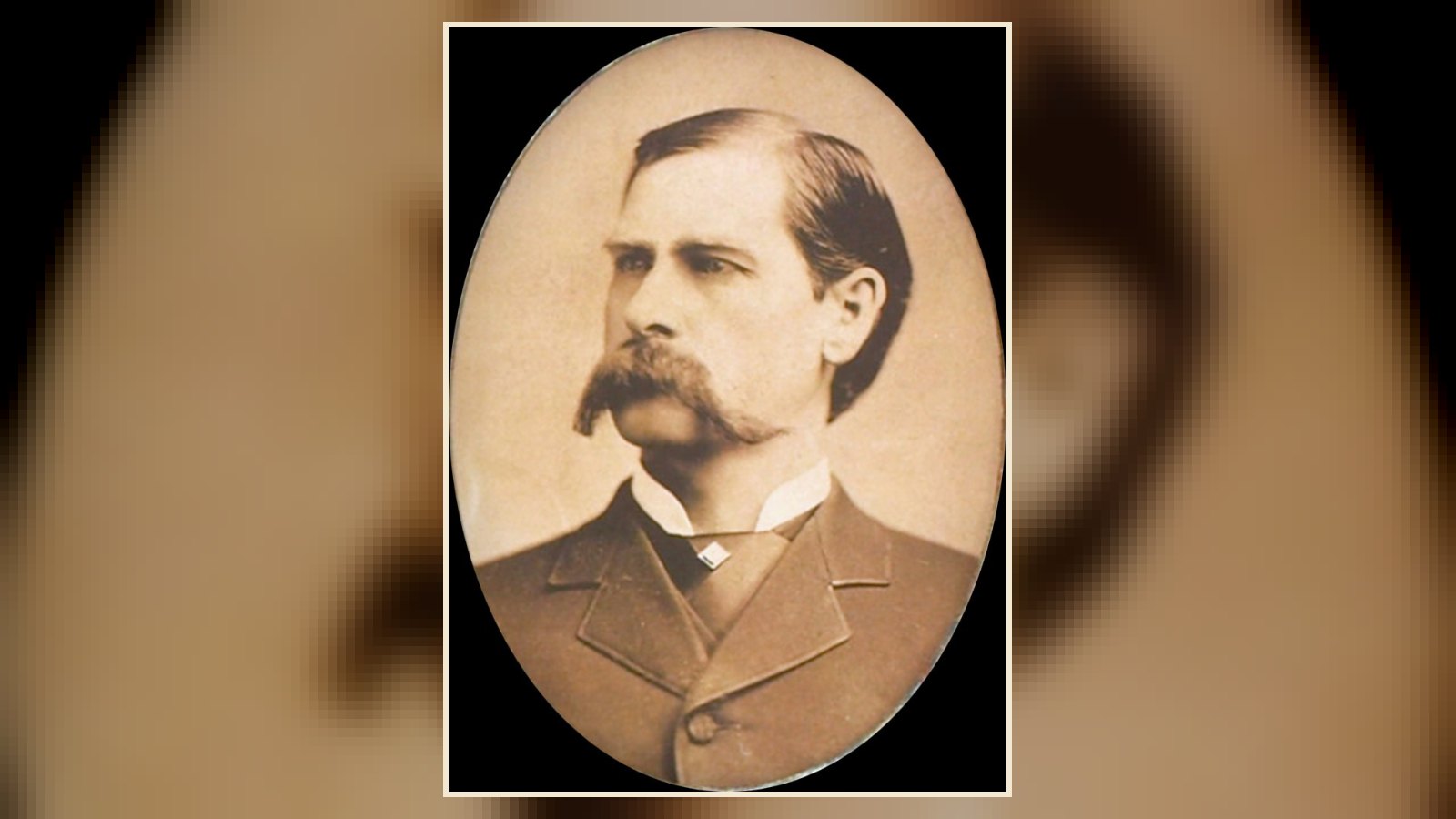
Wyatt Earp (1848–1929) is the archetype. His long, heavy mustache, seen in portraits from his years in Dodge City and Tombstone, covered his lip entirely and drooped at the ends. Bat Masterson (1853–1921), his friend and fellow Dodge City lawman, wore a trimmer, more urbane version. Bass Reeves (c. 1838–1910), who served more than three decades as a deputy U.S. marshal in Indian Territory and made thousands of arrests, wore a full, well-kept mustache that appears in the handful of surviving photographs of him. Reeves's story, long overlooked, has drawn growing attention in recent years as one of the most remarkable careers in American law enforcement history.
These men did not wear mustaches because they were lawmen. They wore them because they were men of the 1870s and 1880s. But their photographs, and the legends built on them, made the mustache part of the lawman's image for good.
The Ranger
Frank Hamer (1884–1955) carried the tradition into the twentieth century. Hamer joined the Texas Rangers in 1906 and served, with interruptions, for decades, and in 1934 he led the manhunt that ended with the deaths of Bonnie Parker and Clyde Barrow. His mustache was neater than Earp's, in keeping with the fashions of his time, but it was there, and it linked the Ranger of the 1930s to the marshal of the 1880s. The Texas Rangers as an institution have long been associated with the mustache, and Hamer is the best-known example.
The city cop
In the early twentieth century, urban police departments followed the broader trend toward the clean-shaven face, and mustaches became less common on patrol, though they never vanished. Grooming standards in many departments favored a neat appearance, and a trimmed mustache generally remained within bounds.
Then came the 1970s. As mustaches returned across American culture, police departments adopted them wholesale. The reasons were the same as elsewhere: the mustache was the fashion of the day, it was permitted under most department standards, and it conveyed maturity and authority. By the late 1970s, the mustached police officer was the norm, and photographs of academy classes and patrol divisions from the era are dominated by chevrons.
The look persisted through the 1980s and into the 1990s, long after it faded from civilian fashion, which is how the "cop stache" became a recognizable type. Law enforcement, like the fire service and the military, kept the mustache as a professional tradition when the rest of the culture moved on.
Why it stuck
Several factors kept the mustache in law enforcement. Department grooming standards typically permitted a neat mustache while restricting beards, for reasons of uniform appearance and, in some cases, equipment such as gas masks. The mustache conveyed age and authority, useful for young officers. And the profession has a strong internal culture in which traditions are passed from veterans to rookies, much as in the firehouse.
There was also the matter of role models. The lawman of film and television, from Western marshals to 1970s detectives, almost always wore a mustache, and officers who had grown up on those images saw the mustache as part of the job.
Today
Mustaches remain common in law enforcement, though less universal than in their 1980s peak. Departments vary in their grooming policies, and officers vary in their choices. The tradition is strongest among veterans of the 1970s and 1980s era, many now retired, and among officers who consciously connect to the history. Movember has given police departments, like fire departments, an annual occasion to grow together for men's health.
A note on respect
Law enforcement is a serious profession with a complicated history, and this article is about grooming and culture, not policy. We do not speak for any agency, and nothing here should be read as an endorsement by one. The lawman mustache is a piece of American visual history, and we present it as that.
Frequently Asked Questions
Why do so many police officers have mustaches?
The tradition traces to the Victorian-era frontier lawmen, surged with the 1970s mustache boom, and persisted because neat mustaches fit department grooming standards and convey authority.
Who was Frank Hamer?
A Texas Ranger (1884–1955) who led the 1934 manhunt for Bonnie and Clyde and bridged the frontier lawman and the modern officer.