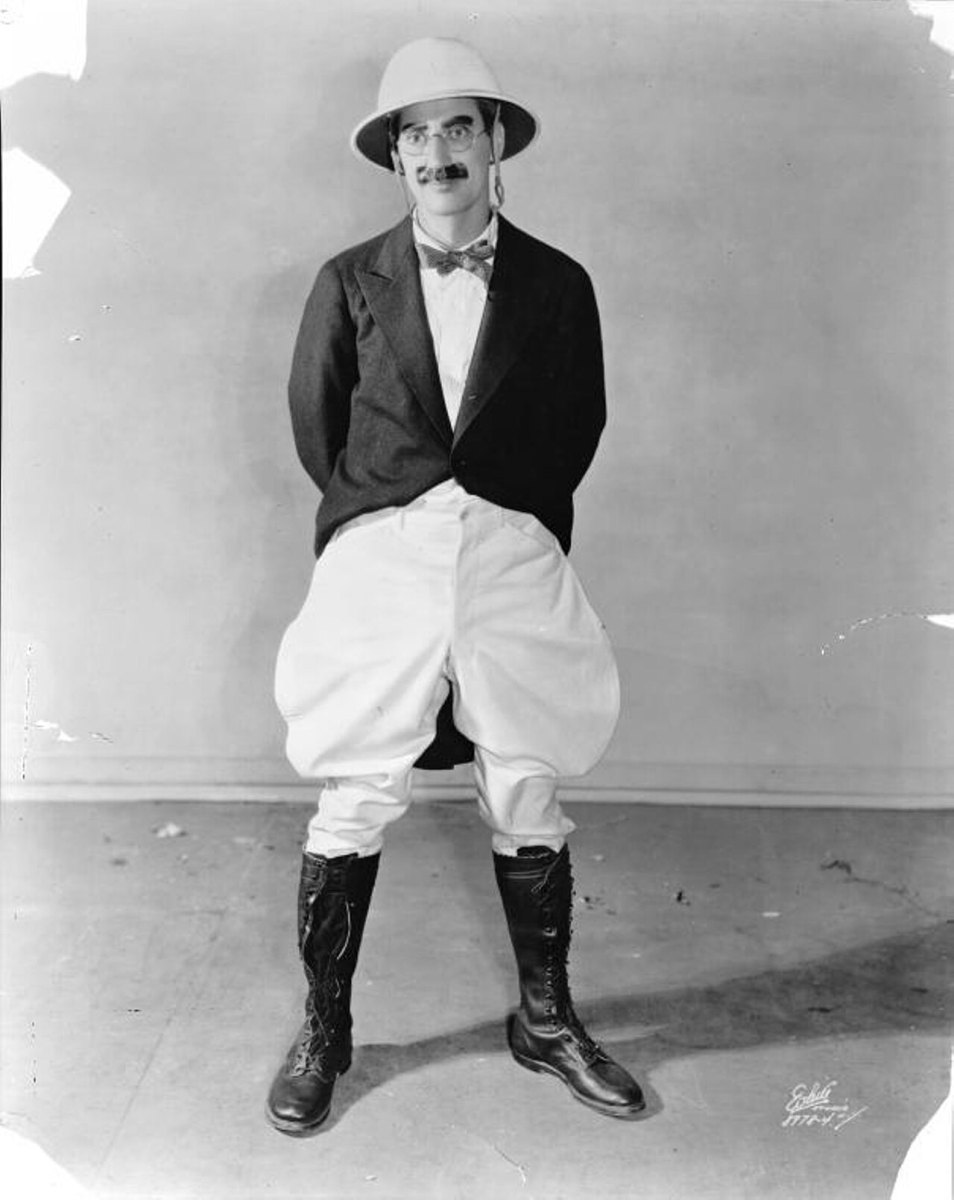
 🏆 Hall of Fame Movie
Photo: Keystone Studios · Public domain · via Wikimedia Commons Photo shows Charlie Chaplin as the Tramp in Kid Auto Races at Venice (1914)
The Tramp
Bowler hat, cane, oversized shoes, and a tiny toothbrush mustache — the most famous silhouette in silent film, first seen on screen in 1914.
- Actor
- Charlie Chaplin
- Film
- Kid Auto Races at Venice
- Year
- 1914
- Medium
- Movie
- Style
- Toothbrush
- Fan Votes
- 0 legendary · 0 meh
Why The Tramp's Mustache Matters
Charlie Chaplin's Little Tramp made his screen debut in Kid Auto Races at Venice (1914), a short in which the character wanders into a children's soapbox derby and repeatedly gets in the way of the newsreel camera. The costume was assembled, by Chaplin's own account, almost on a whim: baggy trousers, a tight coat, a small bowler, big shoes, and a little mustache so he could look older without hiding his expressions.
The toothbrush mustache was the key. Chaplin was 24 and baby-faced; the small dark rectangle under the nose added years and a touch of shabby dignity. Within two years the Tramp was the most recognized figure on earth, and the mustache went with him through The Kid (1921), The Gold Rush (1925), City Lights (1931), and Modern Times (1936).
Chaplin retired the character after Modern Times, and the toothbrush style would soon be ruined for everybody by a different, far worse mustache. But for two decades the Tramp's lip was the most beloved in the world, and among film historians it still is.
- *Kid Auto Races at Venice* was released on February 7, 1914, and is the first film in which audiences saw the Tramp.
- Chaplin said he chose the small mustache because it made him look older without hiding his facial expressions.
- The Tramp's final appearance was in *Modern Times* (1936); the character never spoke intelligible dialogue on screen.
How to Grow the Toothbrush
A small, dense square under the nose. Charlie Chaplin made it famous. History made it complicated.
✂ Read the Style Guide