 Stach Care
 How to Grow a Chevron Mustache: The Complete Guide
The chevron is the everyman classic: thick, wide, and covering the top lip like it means it. The good news is that it is mostly about not messing it up. Here is how.
If the handlebar is a marathon, the chevron is a brisk walk to the hardware store. It is the most-worn mustache in the world for a reason: it requires no wax, no curling, and no special talent. It requires hair, a pair of scissors, and the discipline to leave it alone. That last part is where most people fail.
What It Is and Who It Suits
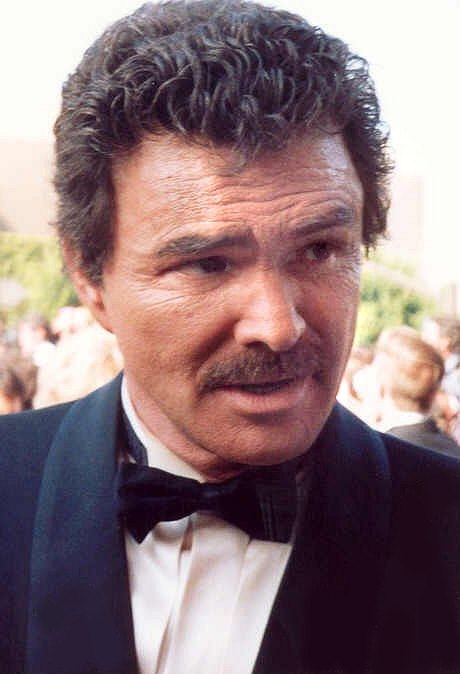
A chevron is a thick, full mustache shaped like an inverted V (or a wide, shallow one), covering the whole top lip and extending just to the corners of the mouth. The ends angle slightly downward. It is dense and natural, with no points, curls, or gaps.
It suits almost everyone: oval, square, round, oblong, and diamond faces. Because it adds horizontal weight at the middle of the face, it is especially good on long faces. Round faces should keep the ends from dropping below the corners of the mouth so the look stays crisp. If you have a big, expressive mouth, the chevron frames it beautifully. If your mouth is small, keep the chevron trim and close.
Growth requirements: density matters more than length. You need reasonably full coverage across the lip. If you are patchy in the center, give it ten weeks before deciding; the chevron fills in more than you expect.
Growth Timeline
Weeks 1–2. Stubble. Leave it. Shave everything else if you want the mustache to be the focus, or keep a short beard and let the chevron emerge from it.
Weeks 3–4. The awkward stage. Hair is visible but not yet thick. Trim only the hairs reaching your lip. Begin combing down every morning so the hair learns to lie flat.
Weeks 5–8. The chevron forms. Density fills in, the corners settle at the edge of the mouth, and the shape becomes obvious. First real trim around week six: clean the lip line and tidy the corners so they do not droop.
Weeks 8+. You have a chevron. From here the job is keeping it thick, tidy, and even. Some people let it grow slightly heavier toward a walrus; others keep it tight. Both are right.
Tools You Need
- A fine-tooth comb
- Small grooming scissors
- An electric trimmer with guard combs for the body (optional)
- A light balm or a few drops of mustache oil
How to Trim and Shape It
- Wash, then dry completely. Hair lies differently when wet.
- Comb straight down.
- Trim the lip line: snip the hairs that extend over the top lip, following the natural curve of the mouth.
- Shape the corners so they end at, or just past, the corner of the mouth, angling very slightly down.
- If the body is bushy, run a trimmer with a long guard across it once to even the thickness. Do not go shorter than you intended; the chevron is meant to be full.
- Clean any strays above the mustache line with a trimmer, keeping a natural edge. No sharp razor lines; the chevron is casual.
Styling Technique
The chevron does not need wax. A small amount of balm or oil, combed through, keeps it soft and lying flat. If the hair flares or sticks out, a tiny dab of light wax in the corners tames it without looking waxed. Comb down, then out toward the corners, every morning. That is the entire styling routine.
Common Mistakes
- Trimming the body too short. A thin chevron is a painter's brush, which is fine, but it is not what you were going for.
- Letting the corners grow down past the mouth. Now it is a walrus, or worse, a sad one.
- Shaving a sharp line at the top edge. The chevron should look like it grew there, because it did.
- Trimming wet. It dries shorter and you end up over-cut.
- Ignoring the lip line. Hair in the mouth is the number one complaint of chevron wearers.
Variations Worth Knowing
The chevron has a few close relatives you can drift into without re-growing. Let the corners drop a touch and thicken the body and you are heading into walrus country. Trim it shorter and round the corners and you have a painter's brush. Keep it tight with a slightly squared bottom edge and it reads as a lampshade. The chevron is the hub of the natural-mustache family tree, which means if you start here, you can branch anywhere later with a pair of scissors and a month of patience. Most long-term wearers settle into a personal version somewhere between chevron and walrus and never look back.
Famous Wearers
The chevron has the deepest bench in mustache history. Tom Selleck is the patron saint. Burt Reynolds and Freddie Mercury made it cool in two different directions. Keith Hernandez wore it in the batter's box, Nick Offerman wears it with a canoe, John Oates wore it on album covers, and Dale Earnhardt wore it at 190 miles an hour.
How to Maintain It
Wash every couple of days. Comb down daily. Trim the lip line weekly and the body every two to three weeks. Oil or balm if the skin itches. The chevron is low maintenance, which is why so many people keep one for forty years.
Mr. Stach grooming content is educational and not medical advice.
Grooming content is educational and not medical advice.
Frequently Asked Questions
How long does it take to grow a chevron mustache?
Most people have a recognizable chevron in six to eight weeks. Density keeps improving for a few months after that.
Do I need wax for a chevron mustache?
No. A little balm or oil combed through is enough. Use a dab of light wax only if the corners flare out.
How do I keep a chevron from looking like a walrus?
Trim the lip line so hair does not cover the top lip, and keep the corners from dropping below the corners of your mouth.
What face shape suits a chevron?
Nearly all of them. It adds width in the middle of the face, which is especially flattering on long or oblong faces.