 Stach Care
 How to Grow a Horseshoe Mustache: The Complete Guide
Full on top, bars straight down to the jaw, nothing on the chin. The horseshoe is a statement. Here is how to grow it without ending up with an accidental goatee.
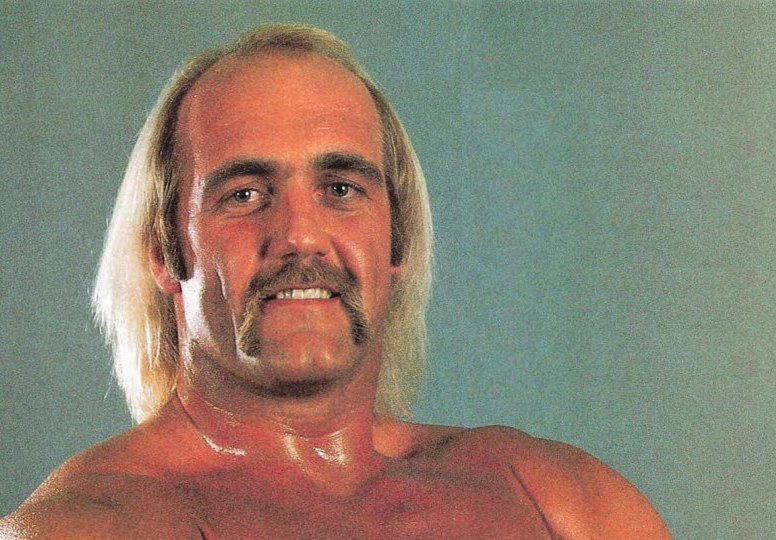
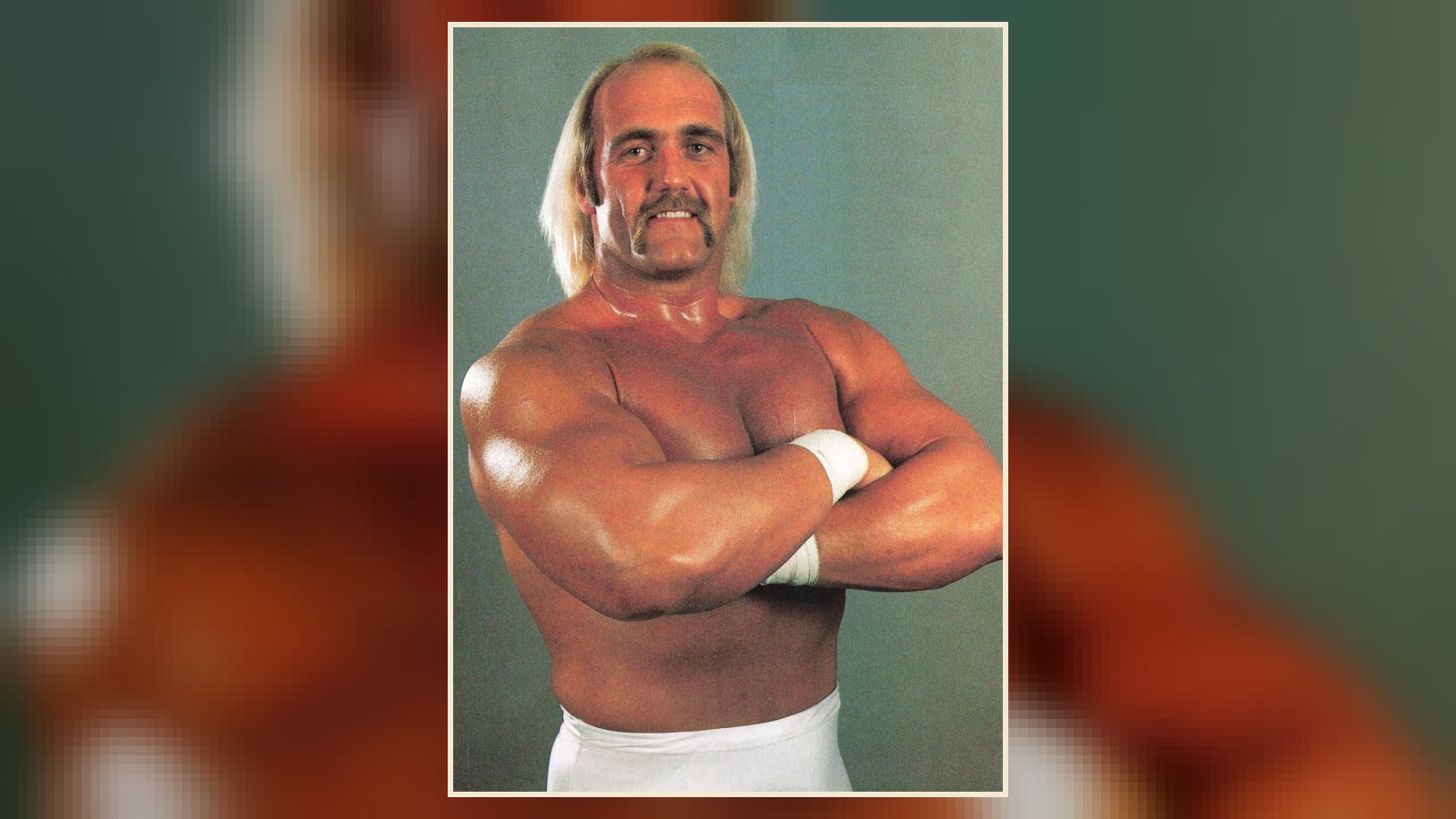
The horseshoe is the mustache that looks like it rides a motorcycle even when you drive a minivan. A full mustache across the lip with two vertical bars running down past the corners of the mouth to the jawline, and a clean-shaven chin in between. People call it a biker mustache, a wrestler mustache, or (incorrectly) a Fu Manchu. It is none of those things exclusively. It is simply the horseshoe, and it is easier to grow than it looks.
What It Is and Who It Suits
The horseshoe is defined by its vertical bars, which are grown from the beard hair directly below the corners of the mouth, not from the mustache itself. That is the secret: you grow a goatee outline, then shave the chin. The bars should be roughly as wide as the mustache is thick and run straight down to the jaw.
It suits square, round, oval, and oblong faces. The vertical bars lengthen the face, so it is a natural pick for round faces and strong jaws. Long, narrow faces can wear it too, but keep the bars slightly shorter so the face does not stretch further.
Growth requirements: you need decent growth below the corners of your mouth. If your beard is sparse there, the bars will look wispy. Give it time; that area often fills in later than the lip.
Growth Timeline
Weeks 1–2. Grow a full beard. Do not try to carve the horseshoe out of stubble; you cannot see where the bars will land yet.
Weeks 3–4. Beard is in. Now shave the cheeks and neck, leaving a wide goatee area: mustache plus chin plus the zone connecting them. Keep the chin for now so you can judge the bar width against it.
Weeks 5–8. The mustache is thick and the bars have length. Around week six, shave the chin, leaving two clean vertical bars. Start narrow; you can always widen later. Trim the lip line.
Weeks 8+. The horseshoe is complete. Decide how long you want the bars (jawline is classic; below the jaw is a choice). Keep the edges sharp and the chin clean.
Tools You Need
- An electric trimmer with a precision (detail) head
- A razor for the chin and cheeks
- Small scissors and a comb for the lip line
- Shaving cream and a post-shave balm; the chin gets shaved a lot
- A steady hand and a mirror you trust for symmetry
How to Trim and Shape It
- Comb the mustache down and the bars straight down.
- Trim the lip line so hair does not cover the top lip.
- With the detail trimmer, define the inner edge of each bar: a vertical line dropping from the corner of the mouth. Do one side, then mirror it.
- Define the outer edge of each bar, usually a finger-width outside the inner edge.
- Shave the chin clean between the bars, and the cheeks outside them.
- Even the bar length at the jawline with the trimmer.
- Step back. Check that the bars are parallel, not splaying outward like a goatee that gave up.
Styling Technique
Wax is optional. A small amount of medium wax keeps the bars lying flat against the face rather than fluffing out, especially when they get long. Comb down and press the bars against the skin. For the mustache body, a light balm is plenty. The horseshoe is meant to look rugged, not sculpted.
Common Mistakes
- Shaving the chin too early. You end up with thin bars and nowhere to widen them from.
- Bars that splay. Keep them vertical; angled bars read as an unfinished goatee.
- Uneven widths. Trim inner edges first on both sides, then outer edges, and compare constantly.
- Forgetting the chin. Stubble between the bars ruins the whole effect. Shave it every day or two.
- Calling it a Fu Manchu. The Fu Manchu hangs from the lip; the horseshoe grows from the beard. Now you know.
Variations Worth Knowing
The classic horseshoe stops at the jawline. The extended horseshoe carries the bars below the jaw, which is dramatic but needs excellent beard growth under the chin corners. The "hooked" horseshoe lets the bars flare slightly at the bottom, a look common on wrestlers. Some wearers keep a tiny soul patch between the bars; purists consider this a goatee in disguise. If your beard is thin below the mouth corners, a shorter bar that stops at the chin line still reads as a horseshoe and avoids the wispy look.
Famous Wearers
Hulk Hogan made the blond horseshoe a global symbol of flexing. Lemmy Kilmister wore one with muttonchops and a bass guitar. Kurt Russell gave the horseshoe its finest hour as Wyatt Earp in Tombstone. Metal frontmen, NFL quarterbacks, and comedians have all worn it since.
How to Maintain It
Shave the chin and cheeks every day or two. Trim the lip line weekly. Re-define the bar edges every week with the detail trimmer, because a blurry horseshoe stops being a horseshoe fast. Oil the skin under the bars; it is prone to irritation from all that shaving nearby. Ten minutes a week keeps it sharp.
Mr. Stach grooming content is educational and not medical advice.
Grooming content is educational and not medical advice.
Frequently Asked Questions
How long does it take to grow a horseshoe mustache?
About six to eight weeks. Grow a full beard first, then carve the horseshoe out around week five or six once the bars have length.
What is the difference between a horseshoe and a Fu Manchu?
The horseshoe bars are grown from beard hair below the corners of the mouth. A Fu Manchu hangs down from the mustache itself and the skin below the corners is shaved.
How wide should the bars be on a horseshoe?
Roughly as wide as the mustache is thick, about a finger width. Start narrow and widen if you want more weight.
Do I need wax for a horseshoe mustache?
Not usually. A little medium wax helps long bars lie flat against the face, but a balm or oil is enough for most wearers.