 Mustache History
 Victorian Mustaches: The Golden Age of the Upper Lip
Mustache cups, wax, imperial curls and a culture that treated facial hair as a measure of character. The Victorians took the mustache more seriously than anyone before or since.
If there is a single era that deserves to be called the golden age of the mustache, it is the second half of the nineteenth century. Between roughly 1850 and 1900, in Britain, Europe and the United States, the mustache went from a military affectation to a near-universal feature of the respectable male face.
How it started
Several forces converged. The military, as we cover elsewhere, had made the mustache a symbol of courage, and the Crimean War of the 1850s sent home veterans with full beards and mustaches grown in the field. Romantic ideas about nature and masculinity encouraged men to stop shaving. And a flood of popular writing argued, in all seriousness, that facial hair was healthy, that it filtered dust and warmed the throat. None of this was medically sound by modern standards, but it was widely believed, and it gave men permission.
By the 1860s, a clean-shaven adult man in Britain was unusual. By the 1880s, the full beard had started to recede among younger men, but the mustache stayed, and it grew more elaborate.
The styles of the age
Victorian mustaches were not one thing. The walrus, thick and drooping over the lip, was popular with older and more conservative men. The imperial, with the ends trained upward into curls, signaled a man who spent time in front of a mirror. The handlebar, waxed and swept outward, was the showpiece. And the long, horizontal English mustache, pulled out to fine points, was a favorite of the officer class.
The supporting industry was enormous. Mustache wax, often made with beeswax and petroleum jelly, was sold in tins with elaborate labels. Barbers offered trimming and curling as distinct services. And the mustache cup, a teacup with a small ceramic guard across the rim to keep the mustache dry and un-waxed by hot tea, was a genuine household object. Patented in the 1860s and sold in enormous numbers through the end of the century, mustache cups are now collectors' items and one of the best pieces of evidence we have of how seriously the era took the upper lip.
Famous faces
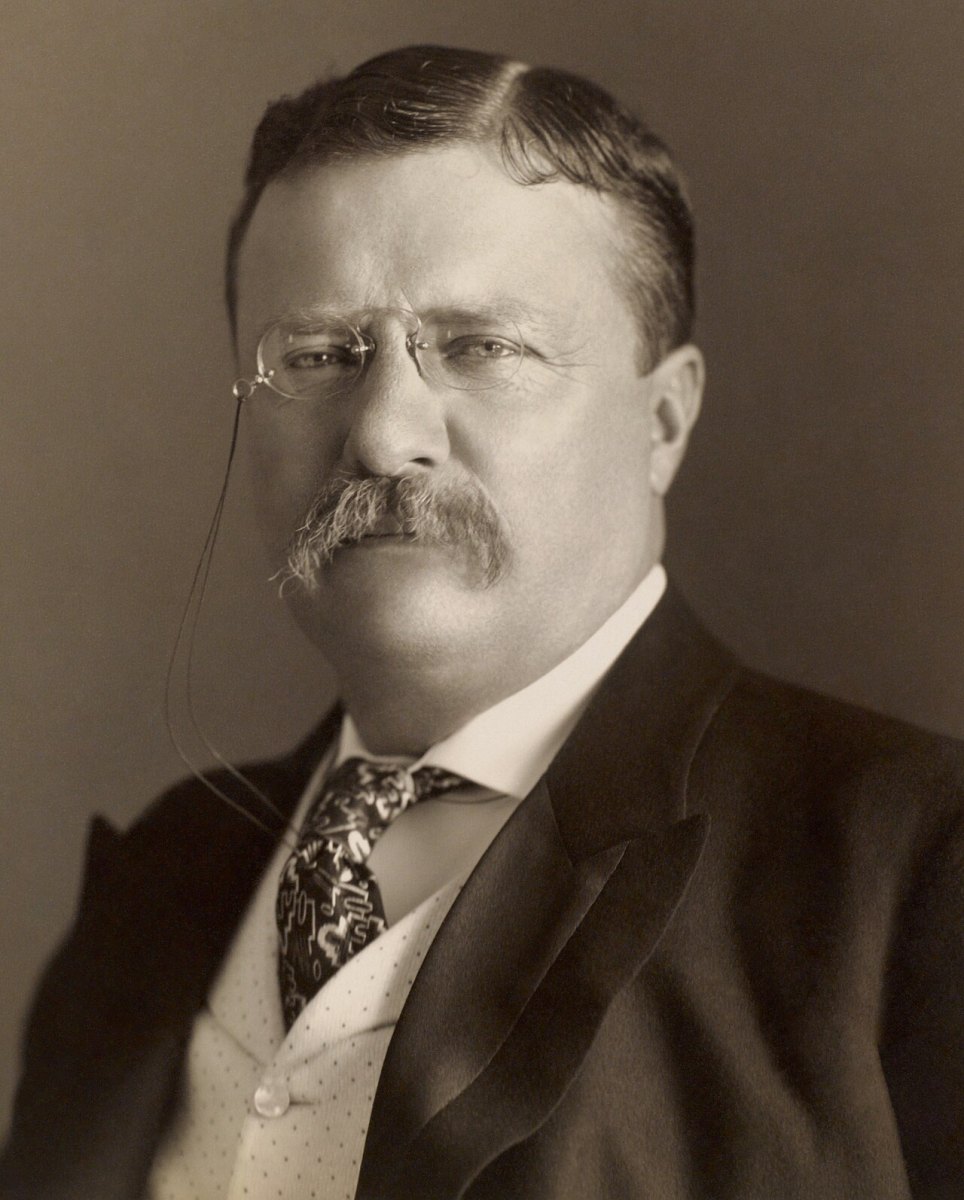
Nearly every prominent man of the period wore some kind of facial hair. In Britain, political figures and writers alike sported mustaches or beards. In the United States, the years after the Civil War produced a parade of mustachioed presidents, generals and industrialists. Theodore Roosevelt, born in 1858 and president from 1901 to 1909, wore a thick, bristling mustache that became one of the most recognizable in American history, and carried the Victorian look straight into the new century.
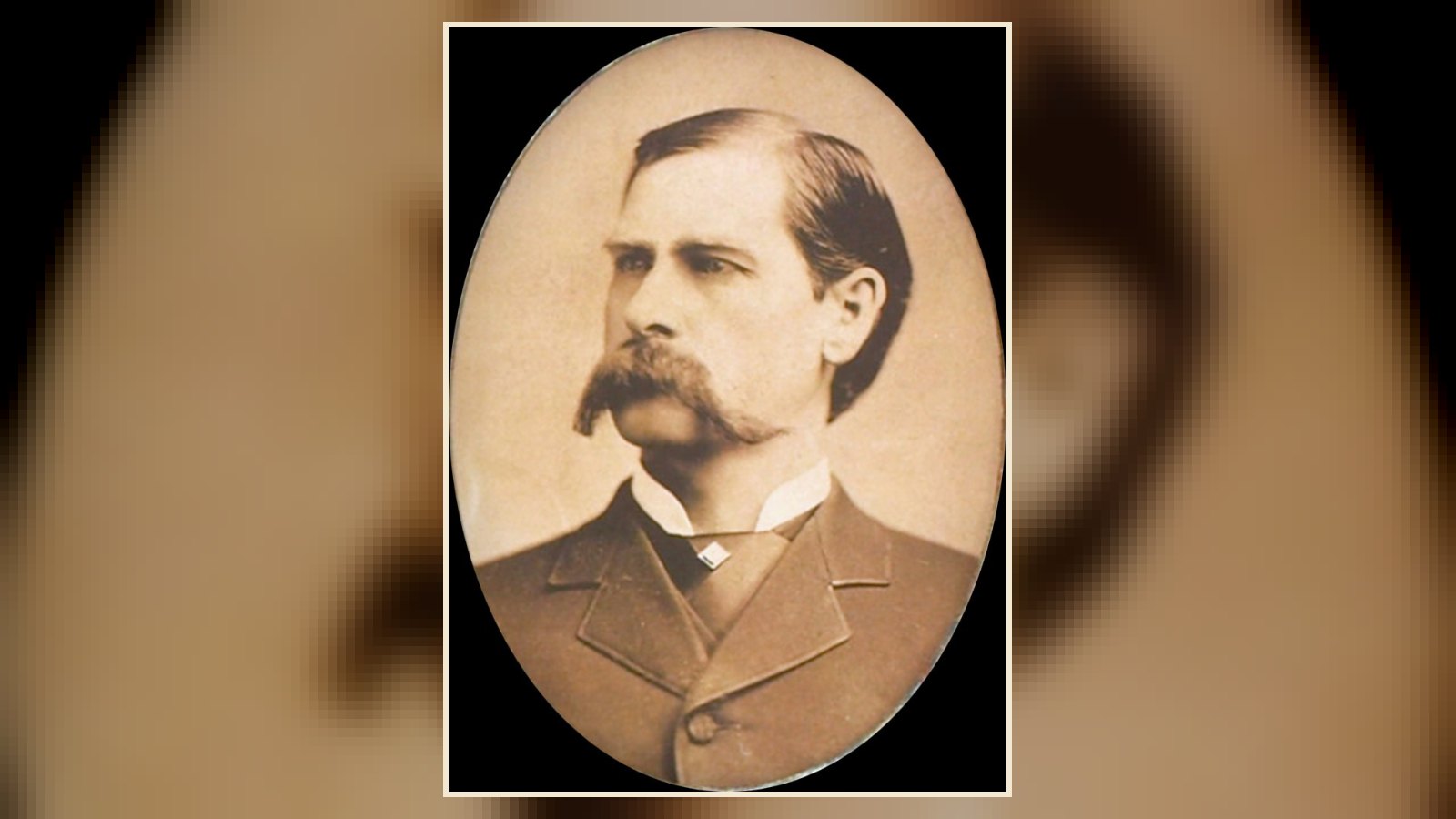
In the American West, the mustache became inseparable from the image of the lawman and the gambler, a subject we cover in our Wild West article. And in the world of sport, the earliest photographs of baseball teams from the 1870s and 1880s show rosters where a clean-shaven player was the exception.
The slow decline
By the 1890s, fashion began to turn. Younger men in cities started shaving their chins, keeping only the mustache. Then, around the turn of the century, the mustache itself came under pressure. The safety razor, patented by King Camp Gillette in 1904, made home shaving easier than it had ever been. Advertising promoted the clean face as modern and hygienic. And a new generation simply wanted to look different from their fathers.
The First World War finished the job for many men, as gas masks and military regulation favored the trimmed mustache or none at all. By the 1920s, the full Victorian display was gone from the mainstream, though the neat mustache survived, and Hollywood was about to give it a second life.
Why the Victorians still matter
Most of what we think of as "classic" mustache culture, the wax, the curl, the comb, the vocabulary of styles, was invented or codified in the Victorian era. When modern enthusiasts compete in handlebar categories, they are competing in a tradition that is more than 150 years old. The Victorians were not always right about health, but they were right about one thing: the mustache rewards attention.
Frequently Asked Questions
What was a mustache cup?
A Victorian teacup with a ceramic guard across part of the rim that kept a man's mustache dry and his wax intact while drinking.
Why did mustaches decline after 1900?
The safety razor made shaving easy, advertising promoted the clean face as modern, and the First World War favored trimmed mustaches or none at all.