 Military Staches
 A History of Military Mustache Regulations
From the British Army's compulsory mustache to the U.S. Navy's brief beard era and today's trimmed-and-tidy standards, how military grooming rules shaped the mustache for two centuries.
Armies have always had opinions about facial hair, and they have usually written them down. The history of military mustache regulation is a history of the mustache itself, because for most of the last two hundred years, what soldiers were permitted to grow set the standard for what civilians wanted to grow. This article traces the main turning points. It is a historical overview, not a guide to any current policy, and readers in uniform should rely on their own service's published standards.
The mandatory era
The most striking fact in the history of military mustaches is that the British Army once required them. Beginning in 1860, King's Regulations stated that the upper lip was not to be shaved. The rule grew out of practice in British India, where officers had adopted mustaches partly because local culture read a bare lip as youthful or unserious, and from the broader Victorian enthusiasm for facial hair. For fifty-six years, a British soldier without a mustache was out of regulation.
The rule was repealed in October 1916, during the First World War. The army was absorbing huge numbers of young recruits who could not grow a convincing mustache, and the regulation had become a nuisance. The order abolishing it was signed by Lieutenant General Sir Nevil Macready, who is said to have shaved his own mustache the same day.
Continental Europe
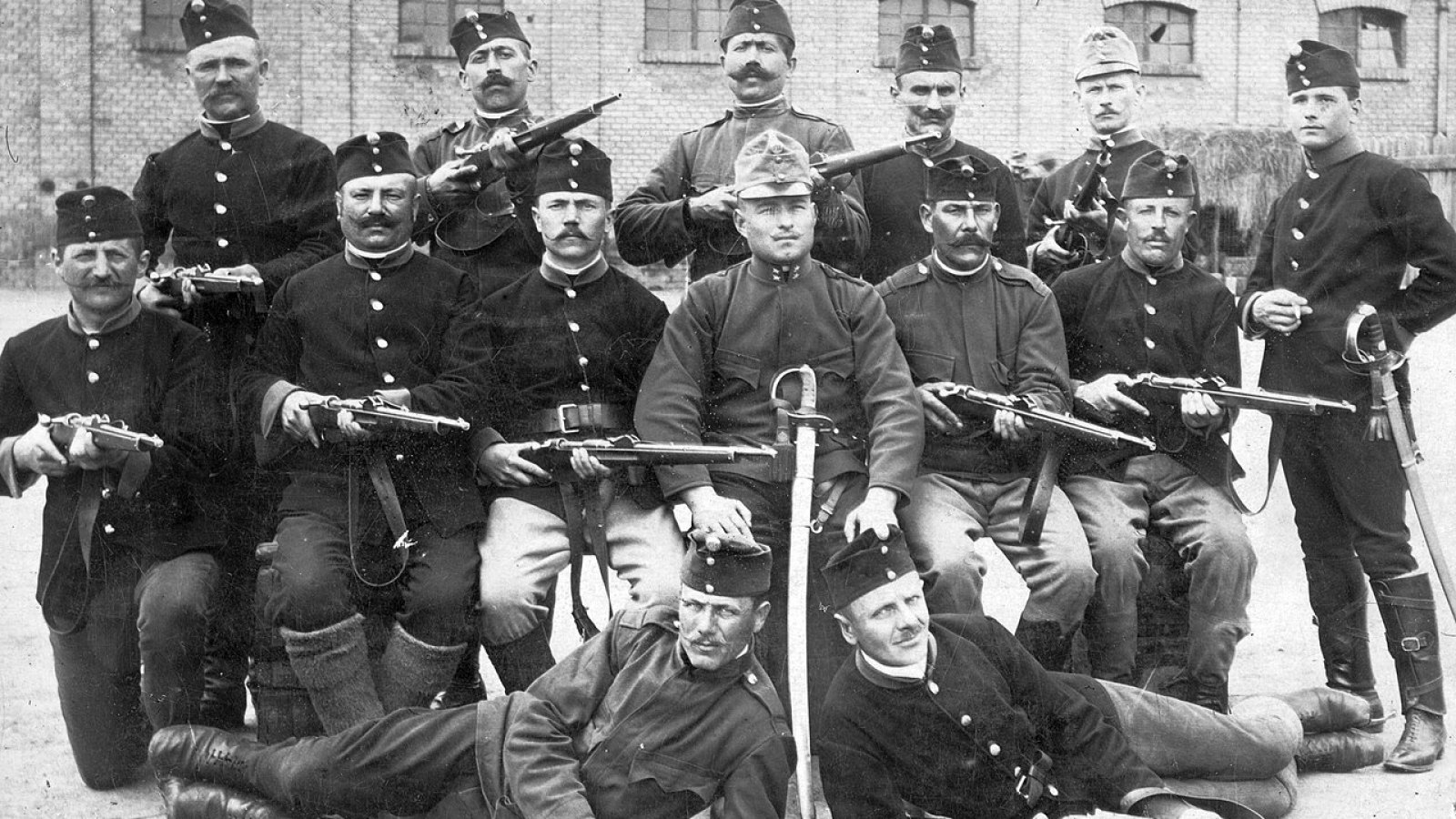
Other European armies took a similar path without the formal compulsion. French, Prussian, Austrian and Russian forces of the nineteenth century associated the mustache with cavalry dash and infantry discipline, and regimental custom often did what regulation did not. Beards were typically reserved for specific units, such as pioneers and sappers in some armies, while the mustache was the general standard. Into the early twentieth century, a clean-shaven continental officer was unusual.
The United States
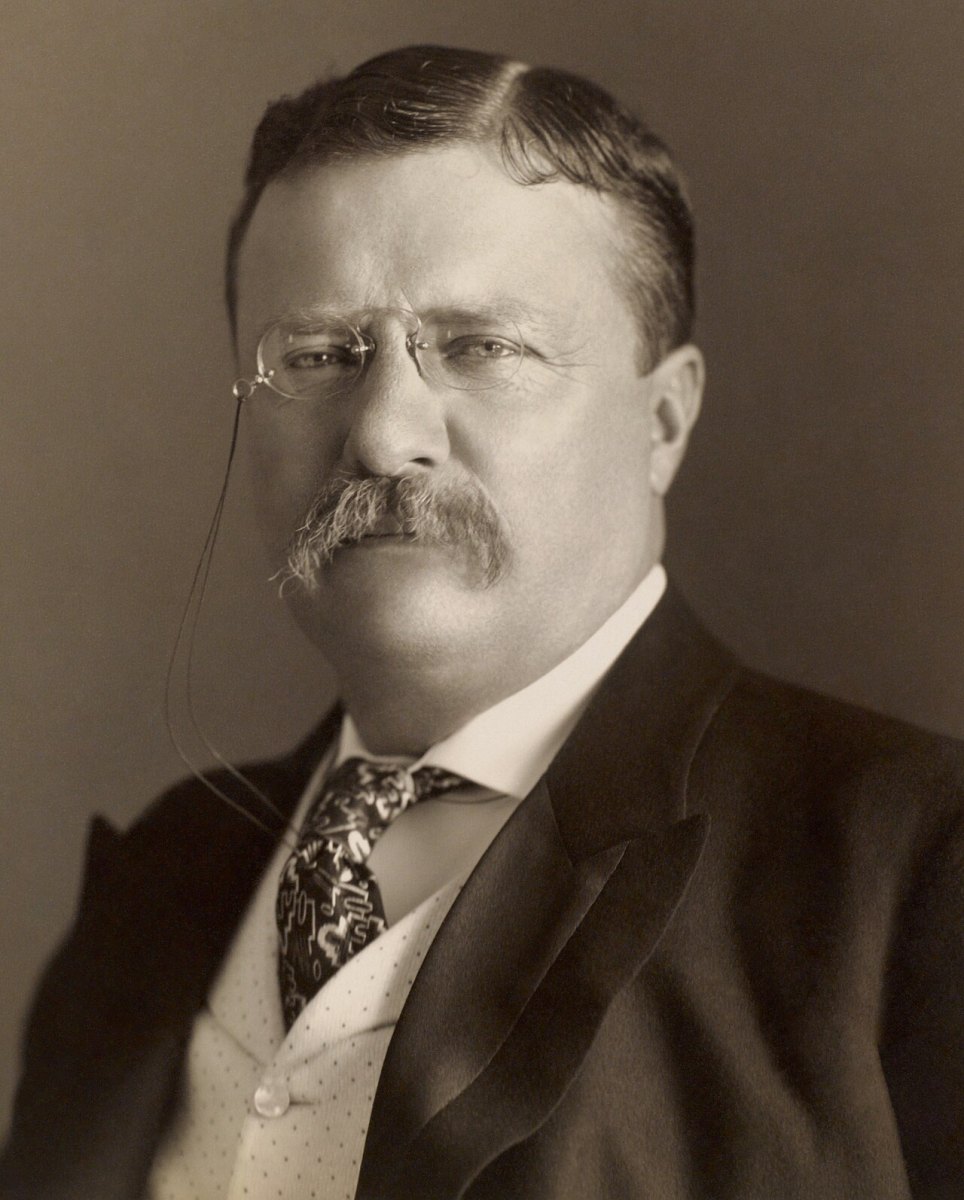
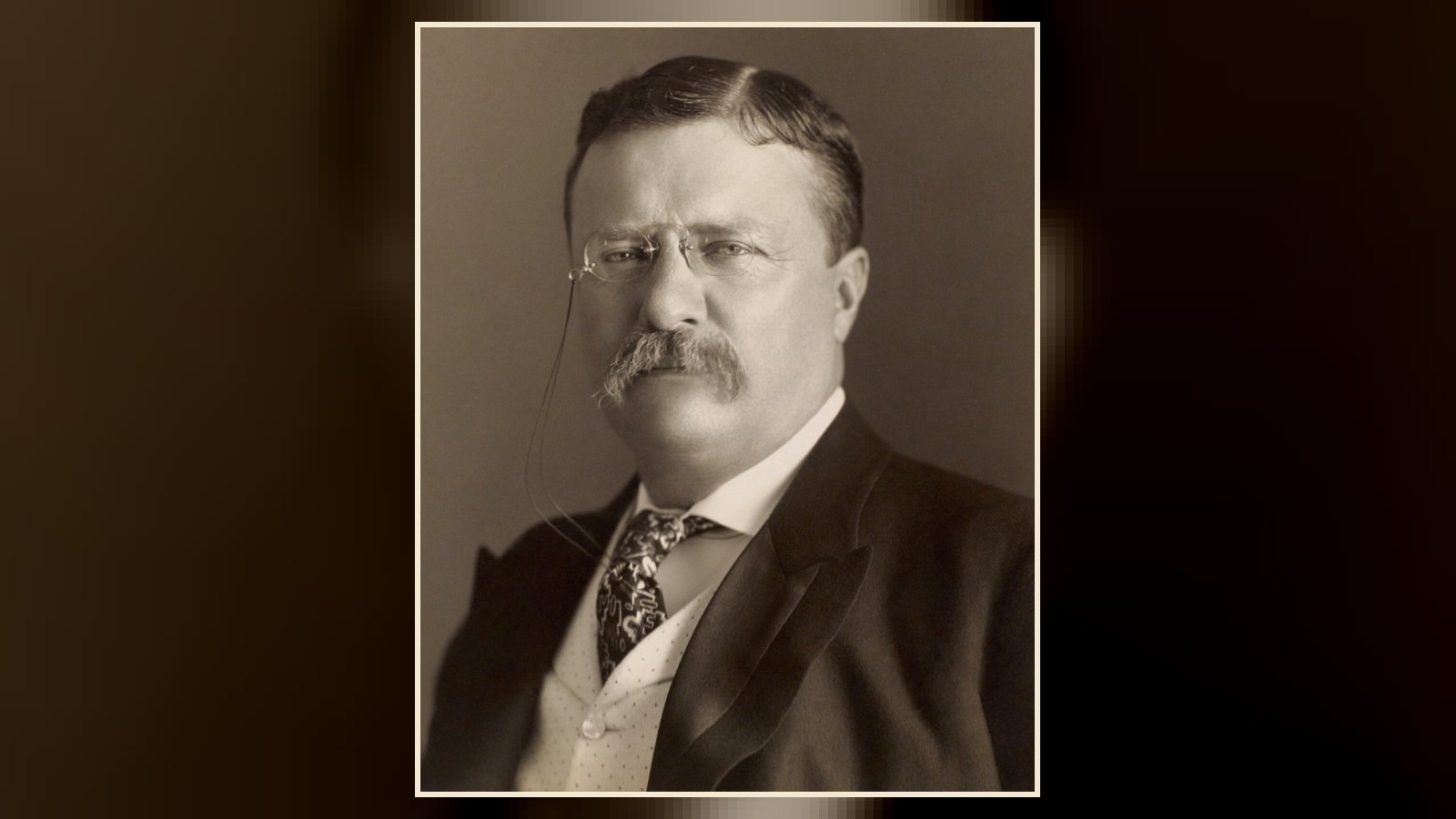
American military grooming took a different course. During the Civil War, facial hair was essentially unregulated, and generals on both sides wore beards and mustaches of every size. The postwar Army tolerated a wide range of styles through the end of the nineteenth century. Theodore Roosevelt, who led the Rough Riders in 1898 before becoming president, wore a thick mustache that was entirely typical of officers of his time.
By the early twentieth century, American military culture had shifted toward a neat, uniform appearance. A trimmed mustache remained permissible, and General John J. Pershing, commander of the American Expeditionary Forces in the First World War, wore one that became famous enough to name a style. Beards largely disappeared from American ranks.
Gas masks change the calculation
The First World War introduced a practical argument that has shaped military grooming ever since. Chemical weapons meant respirators, and early gas masks required a close seal against the face. Facial hair interfered. Armies that had promoted the mustache for a century now had a reason to limit it, and the result was the trimmed mustache that stayed clear of the seal. That logic, in various forms, remains the foundation of facial hair regulation in many militaries today: the mustache is permitted because it can be worn without compromising protective equipment, and the beard is restricted because it generally cannot.
The mid-century clean shave
From the Second World War through the 1960s, most Western militaries emphasized the clean-shaven face, with the trimmed mustache as the main exception. Photographs of the period show mustaches on some officers and senior enlisted men, but they were less common than in earlier eras. Regulations defined acceptable mustaches in detail, typically requiring that they be neatly trimmed, not extend beyond the corners of the mouth, and not cover the upper lip line.
Zumwalt and the brief beard era
The most famous relaxation came in the U.S. Navy in 1970, when Admiral Elmo Zumwalt, as Chief of Naval Operations, issued a series of directives intended to modernize Navy life and improve retention. Among them was permission for sailors to wear neatly trimmed beards. The change was popular with many sailors and controversial with traditionalists. It lasted into the mid-1980s, when the Navy returned to prohibiting beards, citing safety considerations including the fit of protective equipment. Mustaches remained permitted throughout.
Recent developments
Since the 1980s, the pattern in most Western militaries has been stable: neatly trimmed mustaches permitted within defined limits; beards prohibited except by specific accommodation. Religious and medical accommodations for beards have expanded in a number of services in the twenty-first century, and several militaries have revisited beard policy more broadly in recent years, with some relaxing standards and others reaffirming them. Those policies continue to evolve, and this article does not attempt to summarize the current state of any particular service.
Why it matters
The mustache survived two centuries of regulation because it occupied a workable middle ground: distinguished enough to satisfy tradition, neat enough to satisfy inspection and compatible enough with equipment to satisfy safety. Every neatly trimmed service mustache today is the product of that long negotiation.
Frequently Asked Questions
Did any army ever require mustaches?
The British Army did. From 1860 to 1916, regulations stated that the upper lip was not to be shaved.
When did the U.S. Navy allow beards?
From 1970, under Admiral Elmo Zumwalt, until the mid-1980s, when the Navy returned to prohibiting beards while continuing to permit mustaches.